Yarn
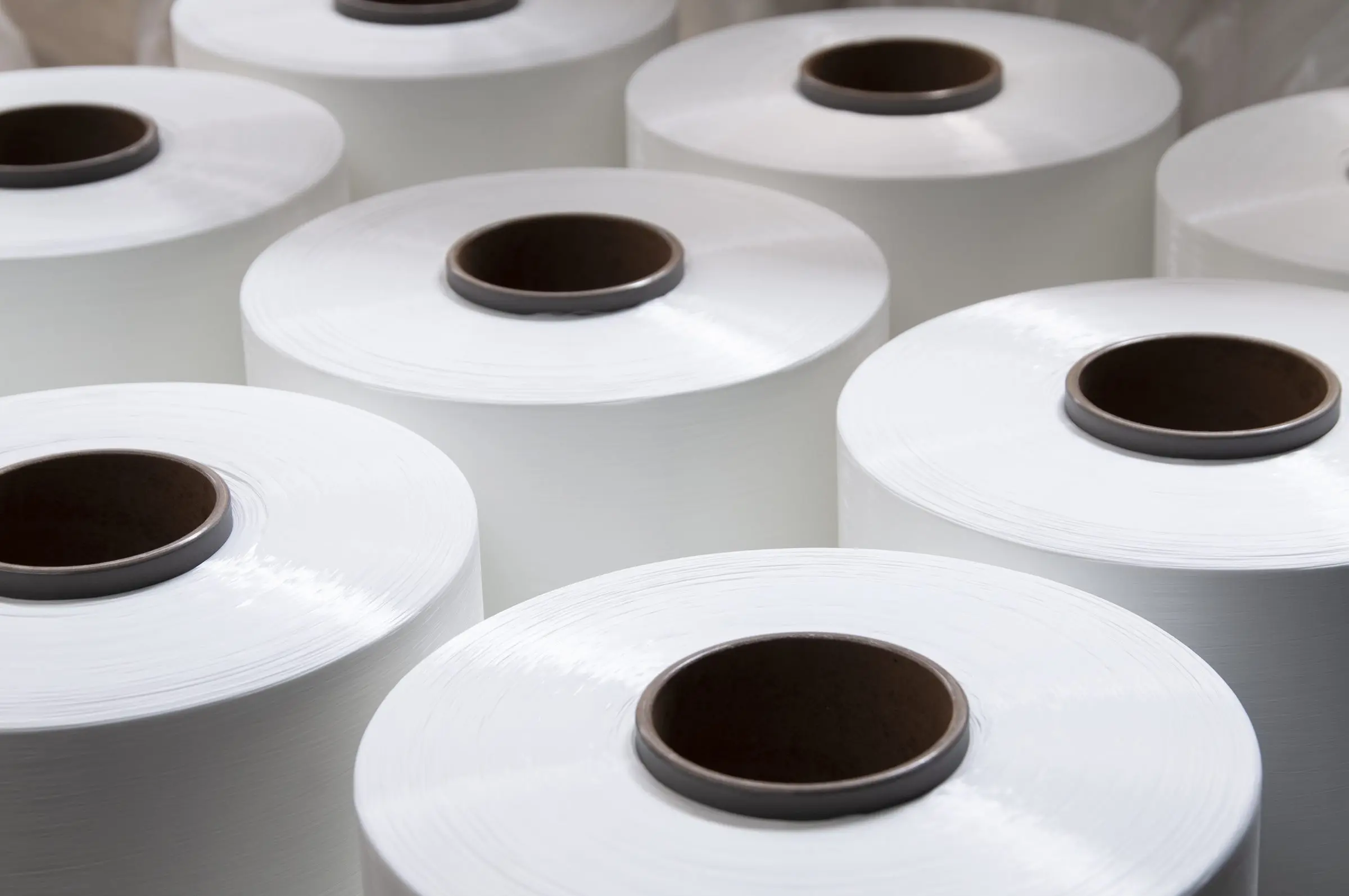
Polyester yarn bobbins are split into lots in the raw material store. Every lot is traced by its batch card all the way to the finished product.
Raw material traceability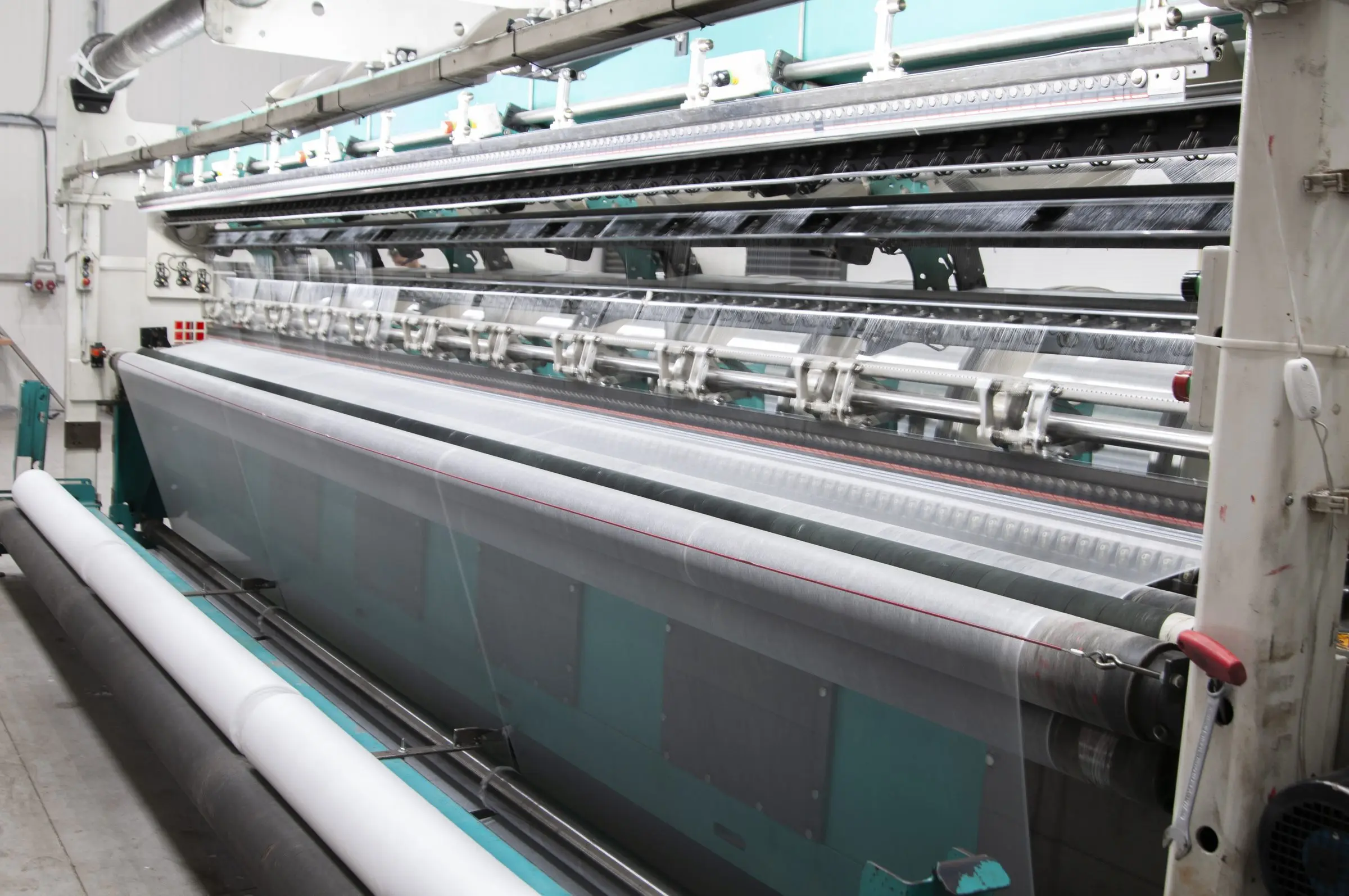
An industrial stenter line and finishing and dyeing know-how: integrated production from pleated insect and pollen mesh to bridal tulle.
Polyester yarn bobbins are split into lots in the raw material store. Every lot is traced by its batch card all the way to the finished product.
Raw material traceability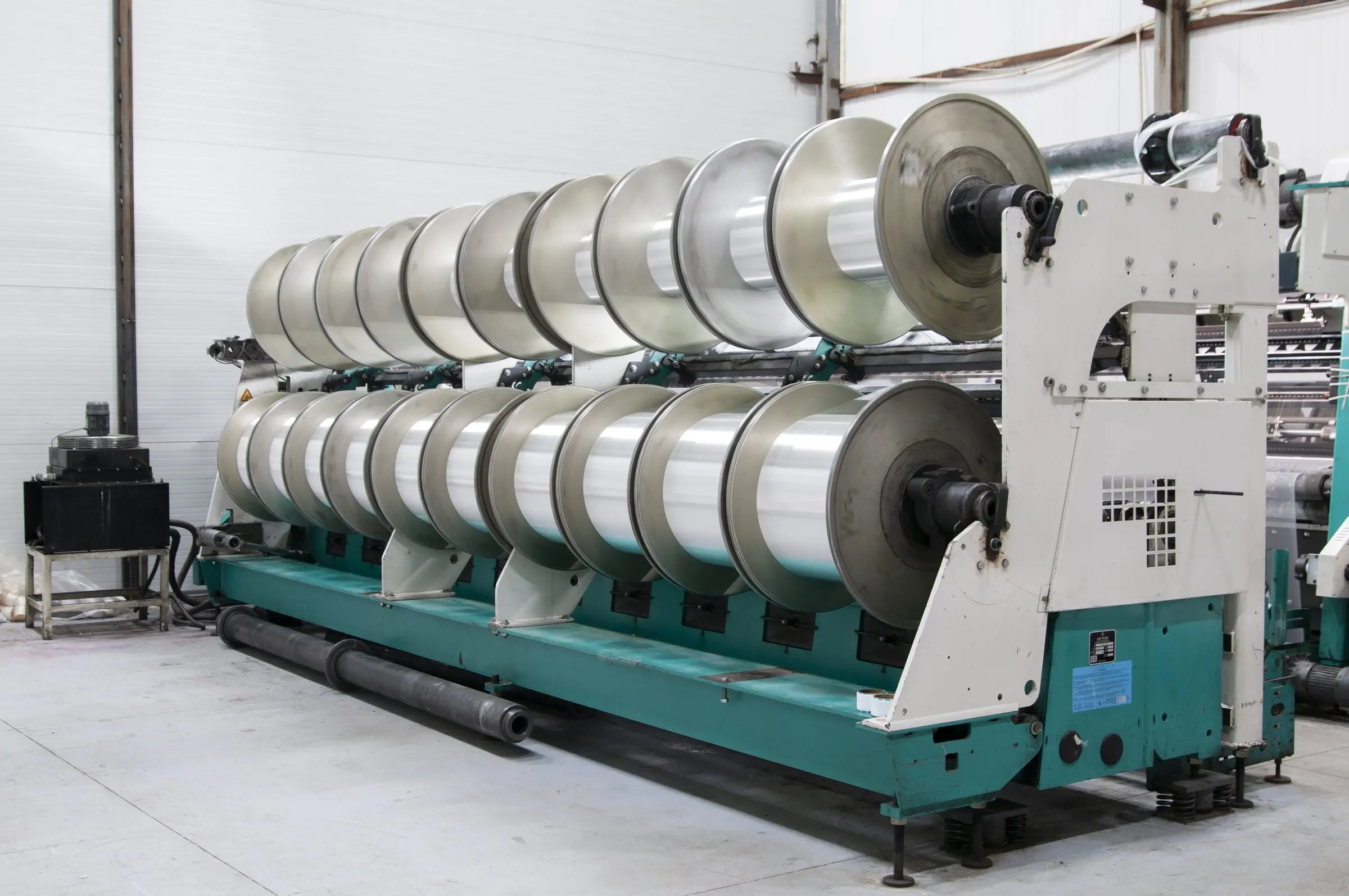
Yarn is wound onto beams on our warping machines. This is where the evenness of the knit is decided.
Warp beam preparationInsect, pollen, midge and bridal tulle structures are formed in our raschel knitting hall.
Knitting hall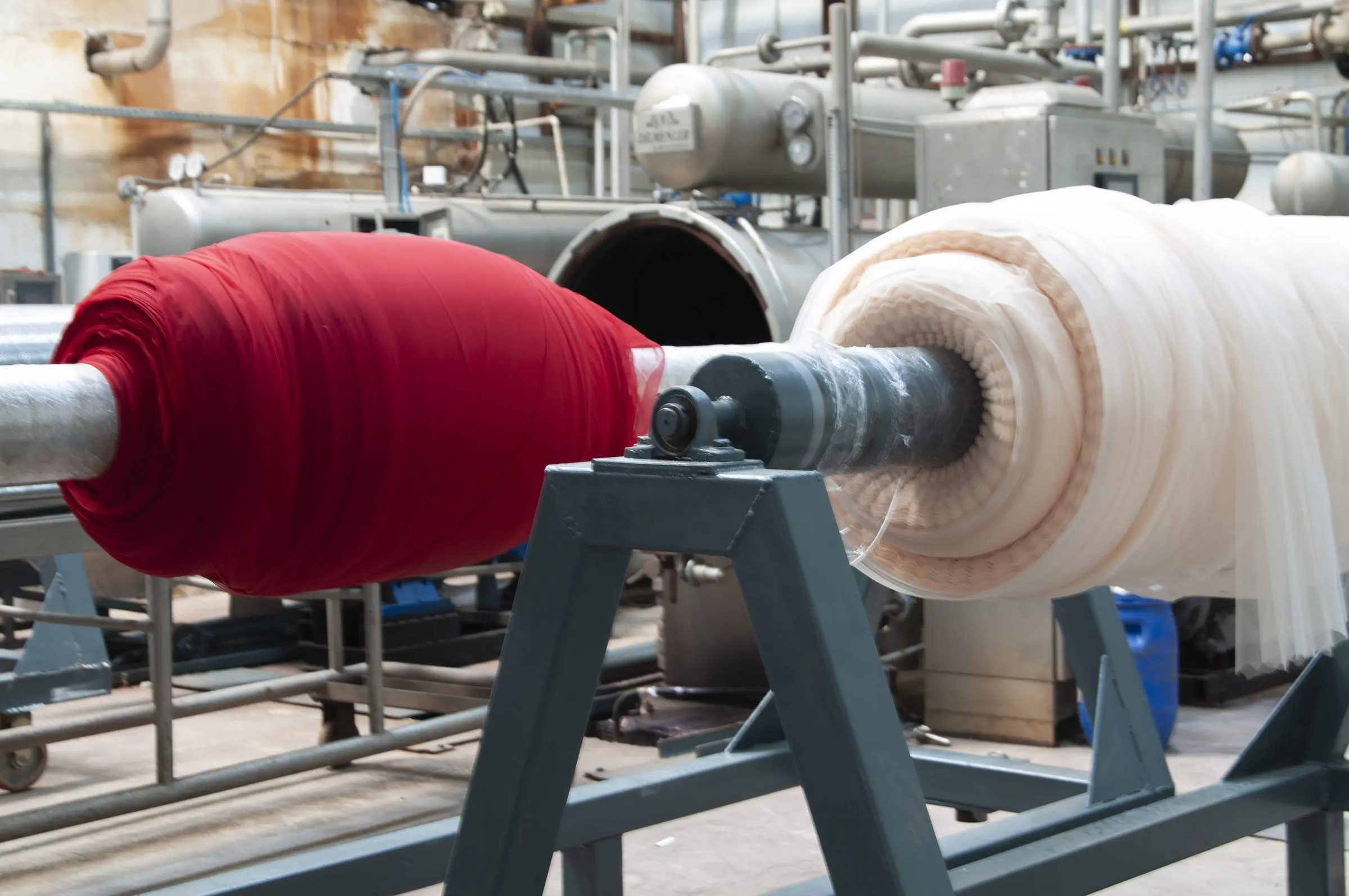
Colour and finishing recipes are applied in the dye house; the wide colour card of our bridal tulles comes from here.
Finishing · dyeing · colour card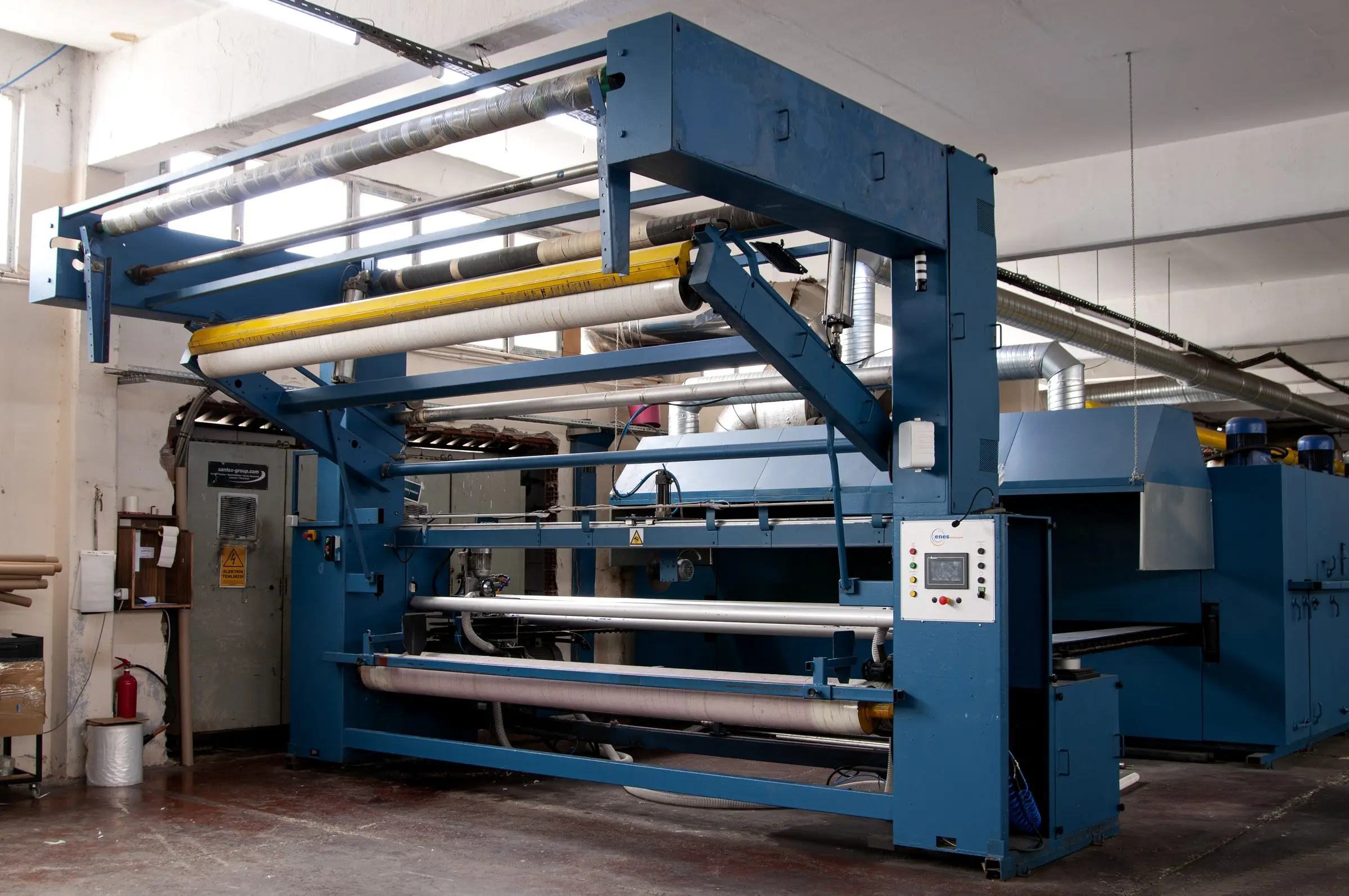
On our industrial stenter line, heat fixes width, form and strength for good. From the line the fabric goes either to pleating or to winding.
Stenter → pleating · stenter → winding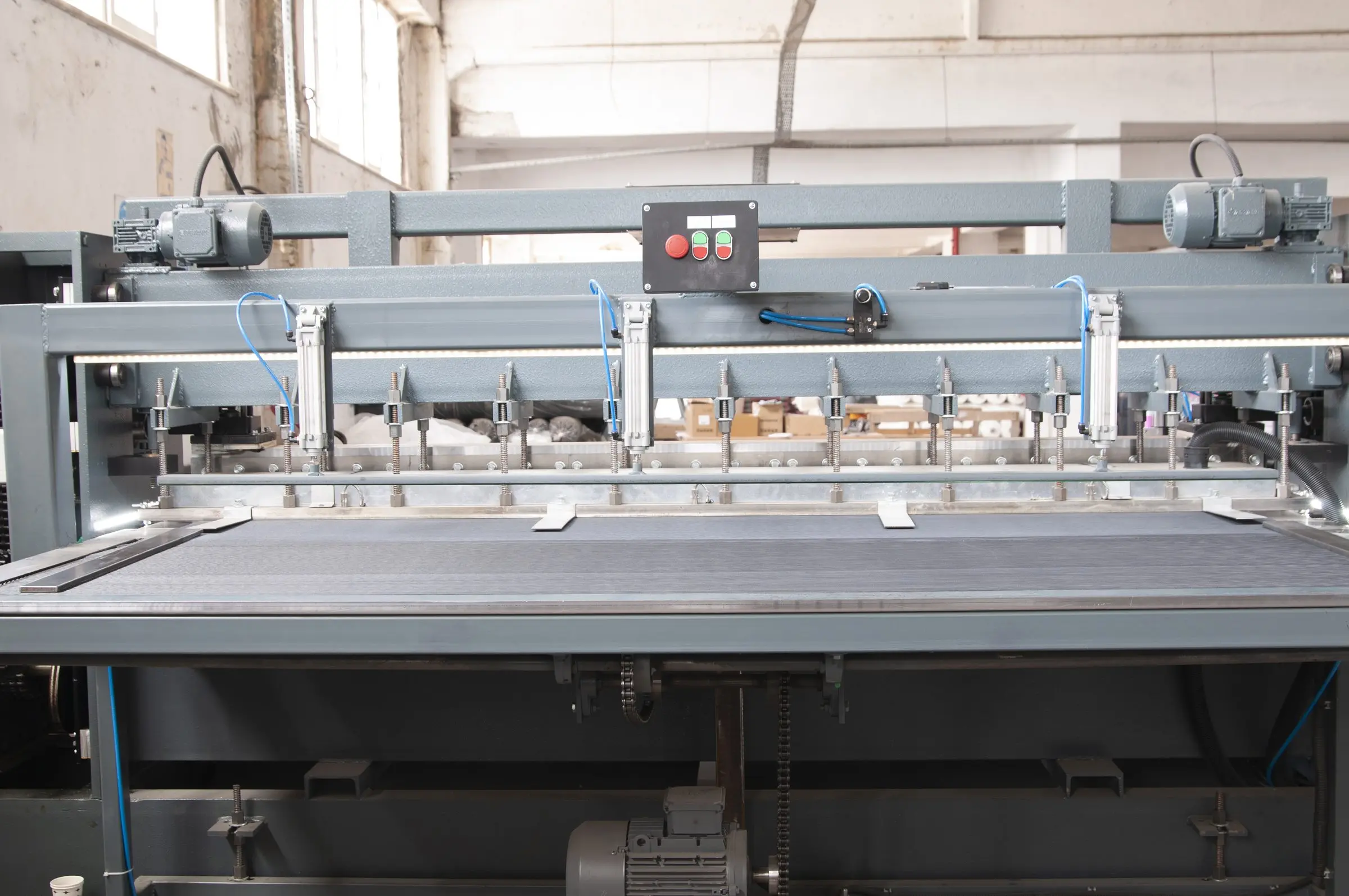
Insect mesh, pollen mesh and blind fabrics are pleated to 14–20 mm on our pleating machine.
14 · 15 · 16 · 19 · 20 mm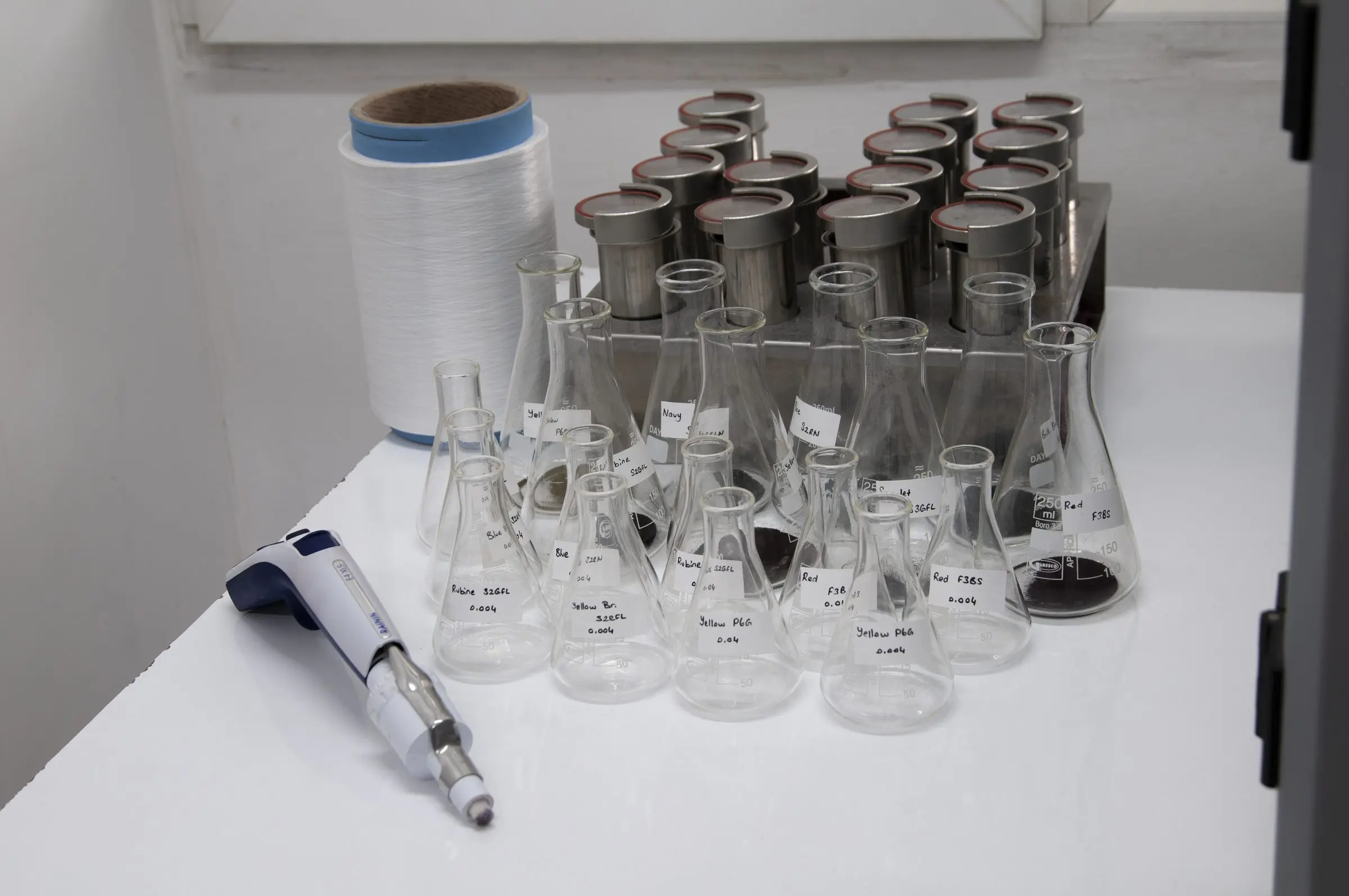
Yield (m²/kg) and shade are measured on every batch card; off-shade lots are flagged and set aside.
Shade and yield control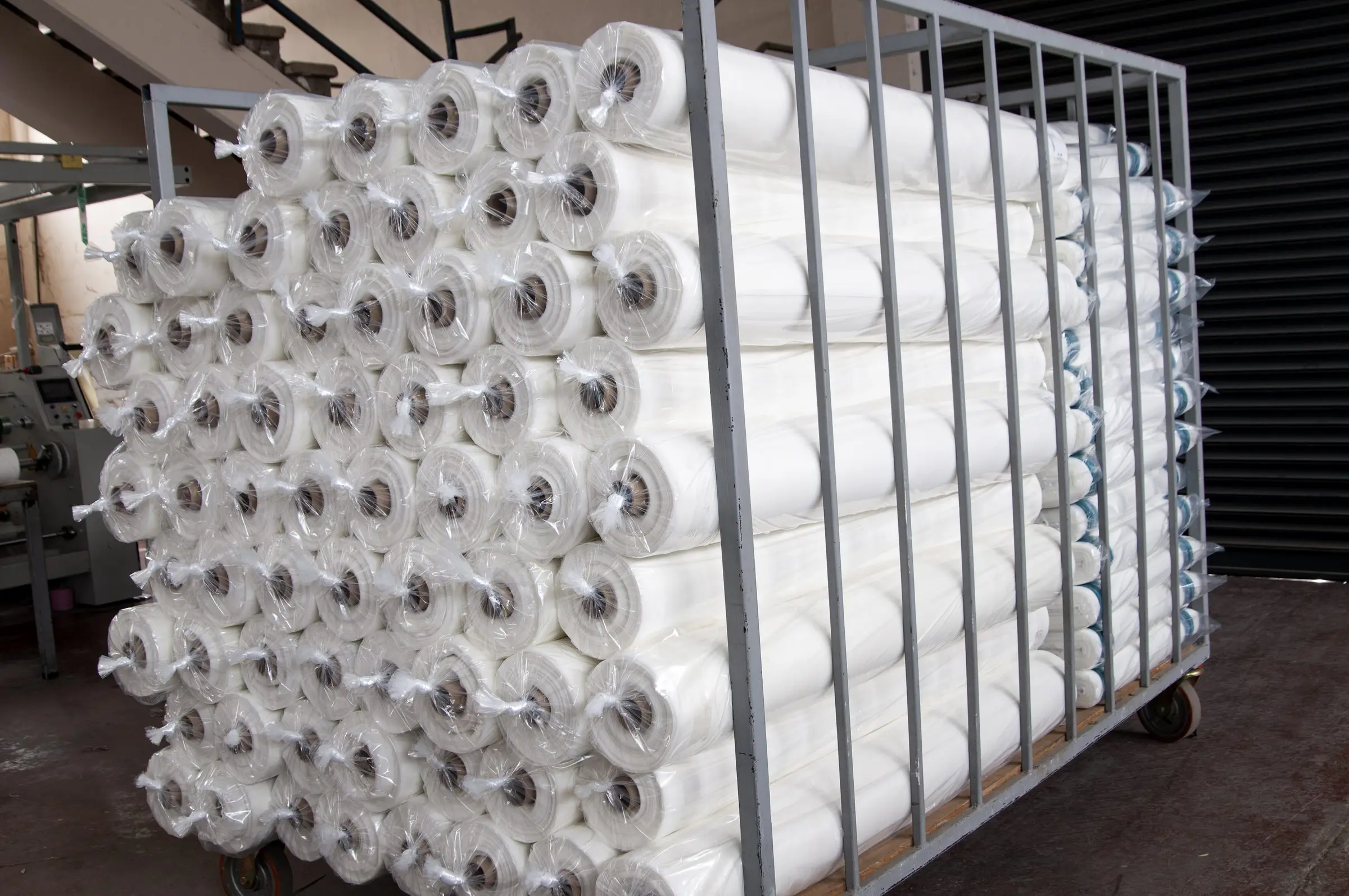
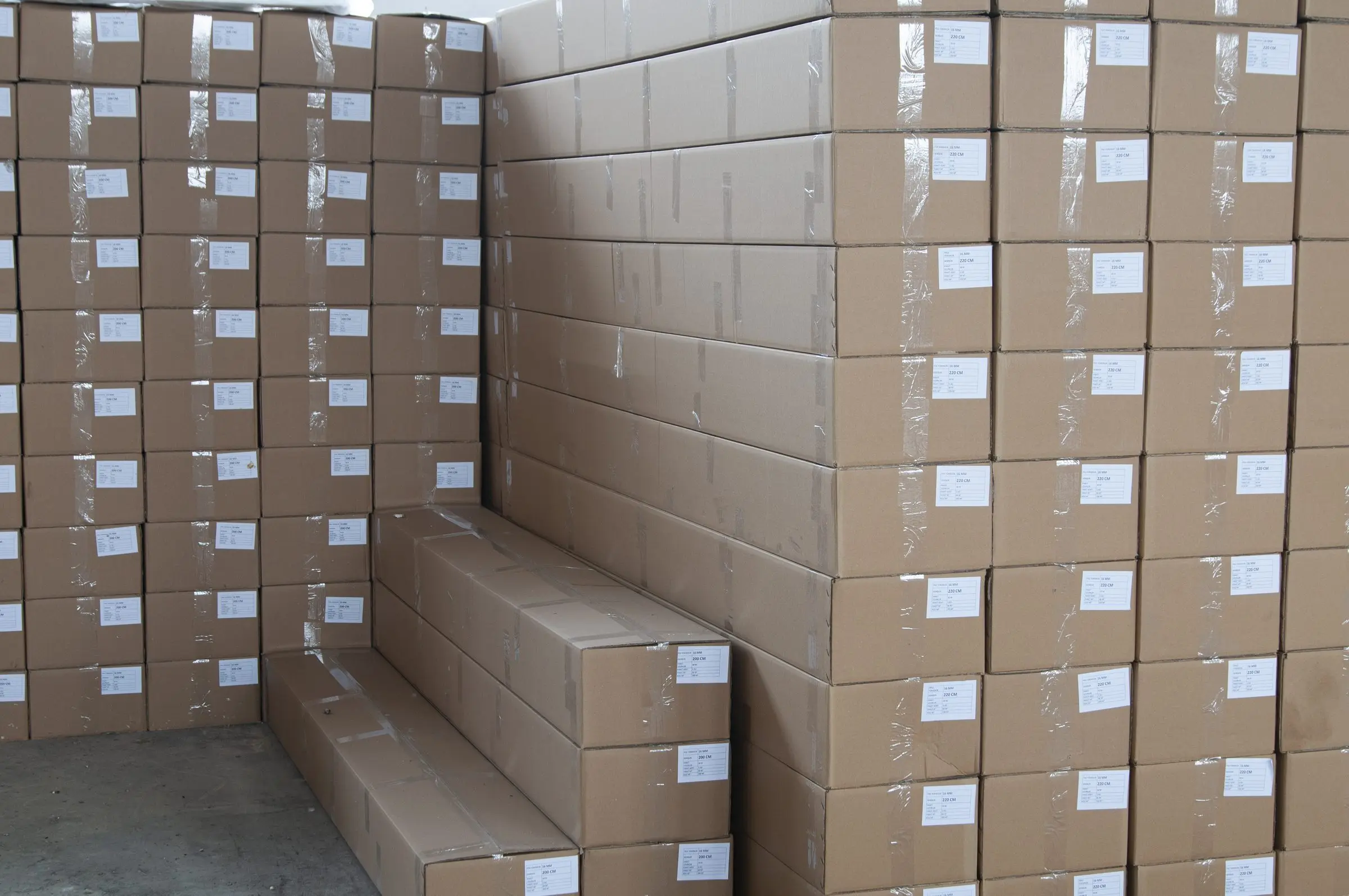
Flat mesh is wound on rolls and pleated products packed in packs and cases, ready for dispatch in Türkiye and abroad.
Roll · pack · caseMesh rolls and pleated cases wait ready in our warehouse. Mesh, blind fabric and complementary products leave in the same shipment.