
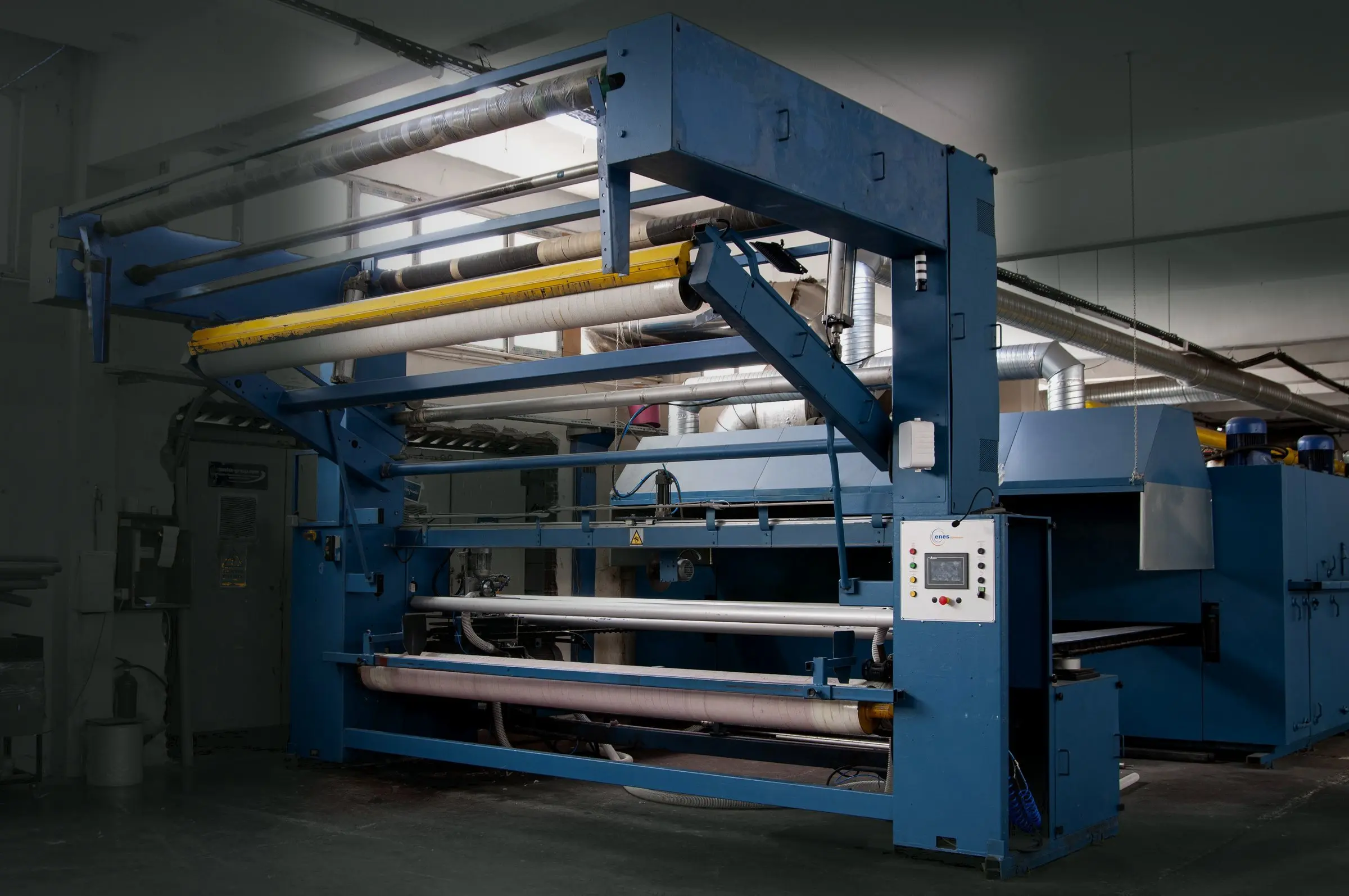
Tuzla, Istanbul · knitting · finishing · dyeing · stenter · pleating
From yarn to finished fabric.
From yarn to finished fabric.
Mesh and pleats made in our own plant.
Pleated insect mesh, pleated blind fabrics and bridal tulles, knitted, finished, dyed and heat-set on our own line, for system manufacturers, wholesalers and export customers.
8 stepsfrom yarn to dispatch, under one roof
300 cmwidest mesh and fabric width
14–20 mmpleat depth
5 seriespleated blind fabric, up to 100% blackout
What we make
Four product families,
Four product families,
one production line.
We make our mesh and fabrics on our own knitting, finishing, dyeing and stenter line, and add the complementary products to the same shipment.
 STENTER → PLEATING · 2 PRODUCTS
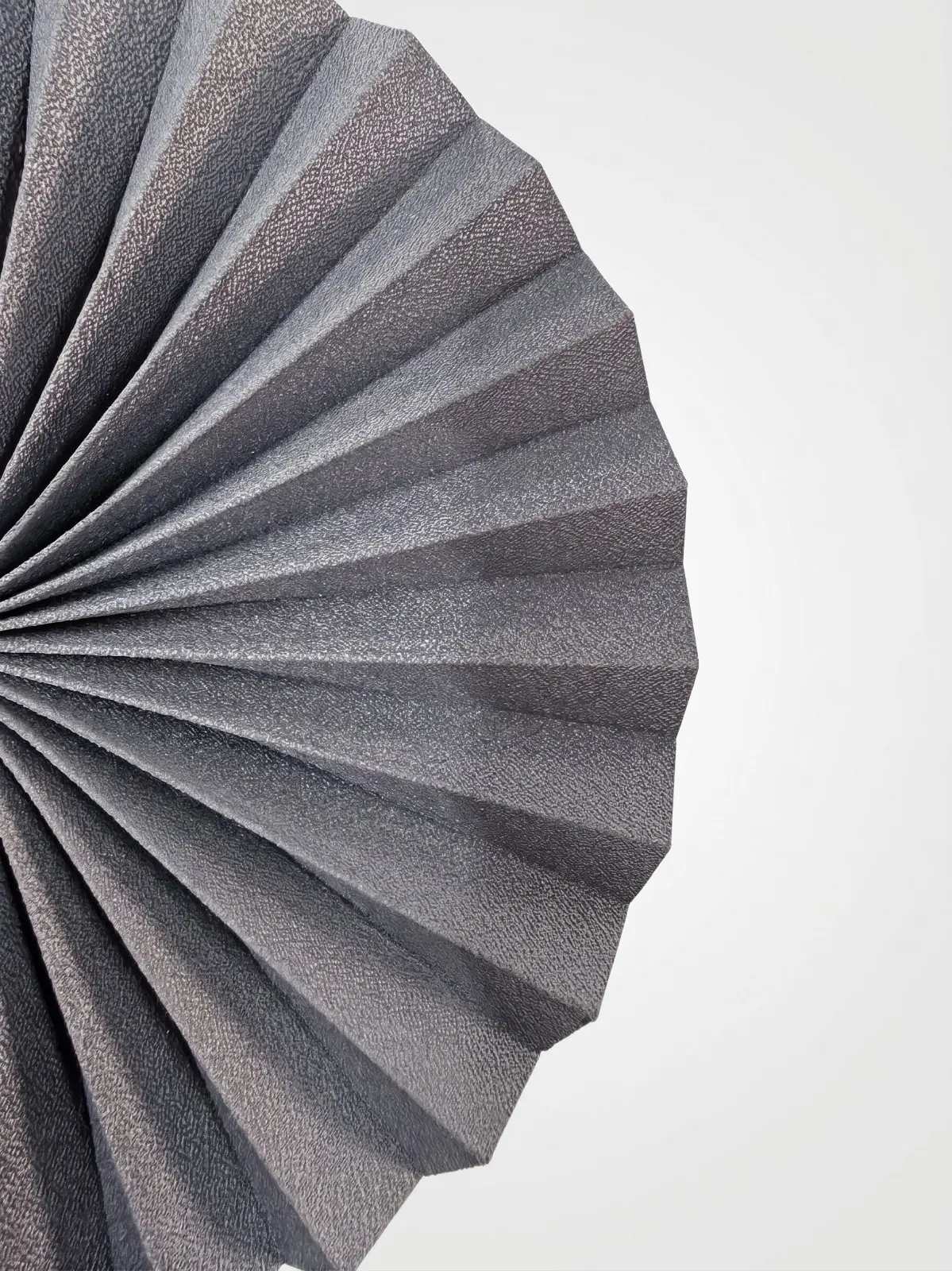
Pleated insect and pollen mesh
Pleated Insect Screen Mesh · Pleated Pollen Screen Mesh · 14–19 mm pleat · 190–300 cm
STENTER → PLEATING · 2 PRODUCTS
Pleated insect and pollen mesh
Pleated Insect Screen Mesh · Pleated Pollen Screen Mesh · 14–19 mm pleat · 190–300 cm
 PLEATED BLINDS · 5 FABRICS
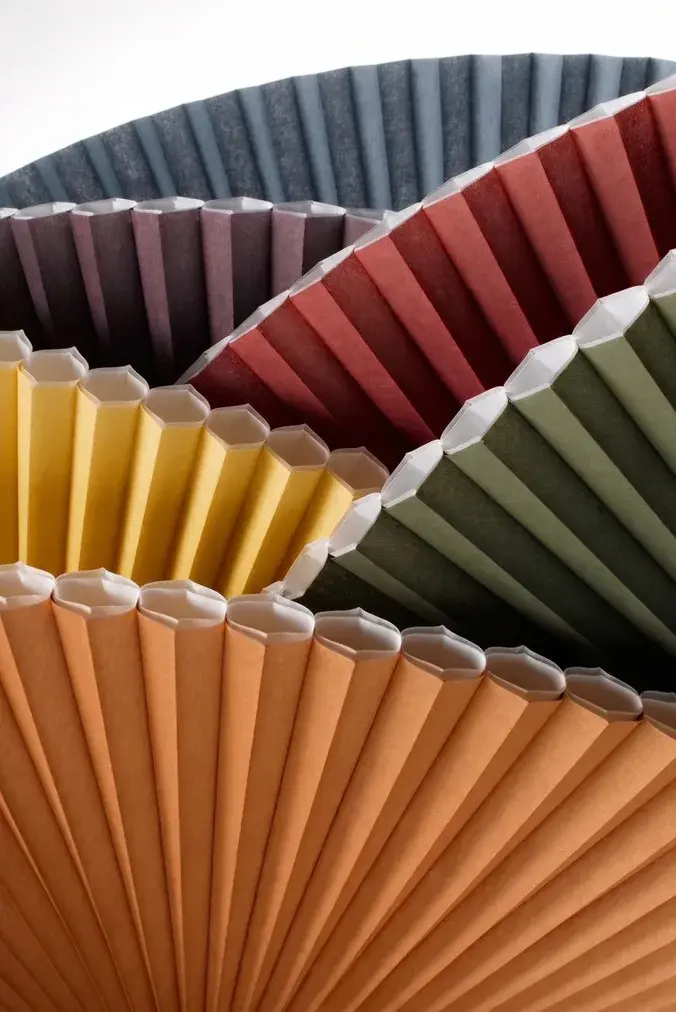
Pleated blind fabrics
Economy · canvas · dim-out · blackout · honeycomb
PLEATED BLINDS · 5 FABRICS
Pleated blind fabrics
Economy · canvas · dim-out · blackout · honeycomb
 STENTER → WINDING · BRIDAL
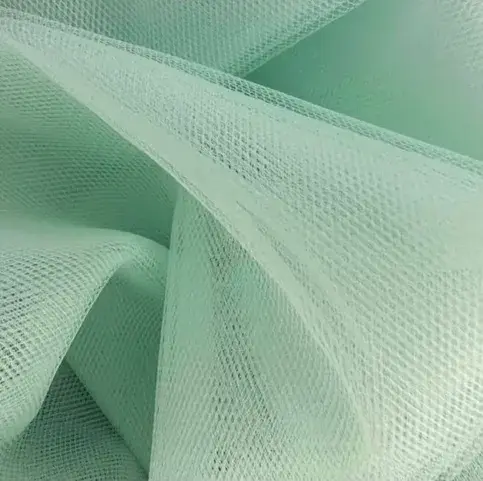
Bridal and evening tulles
Hayal Mert · Defne · Italyan · stiff · voile · square tulle
STENTER → WINDING · BRIDAL
Bridal and evening tulles
Hayal Mert · Defne · Italyan · stiff · voile · square tulle
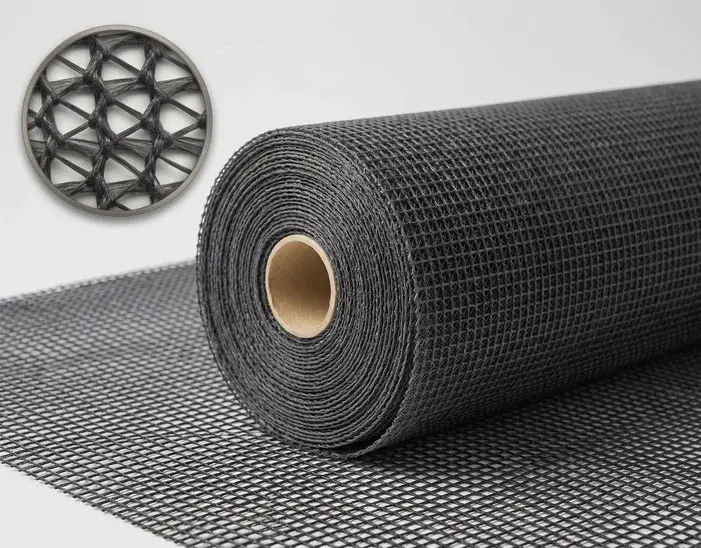 FLAT ROLLS · 4 MESHES
Flat and midge mesh
Flat midge · square midge · fiberglass · pet screen
FLAT ROLLS · 4 MESHES
Flat and midge mesh
Flat midge · square midge · fiberglass · pet screen
Through the stenter
Every metre is
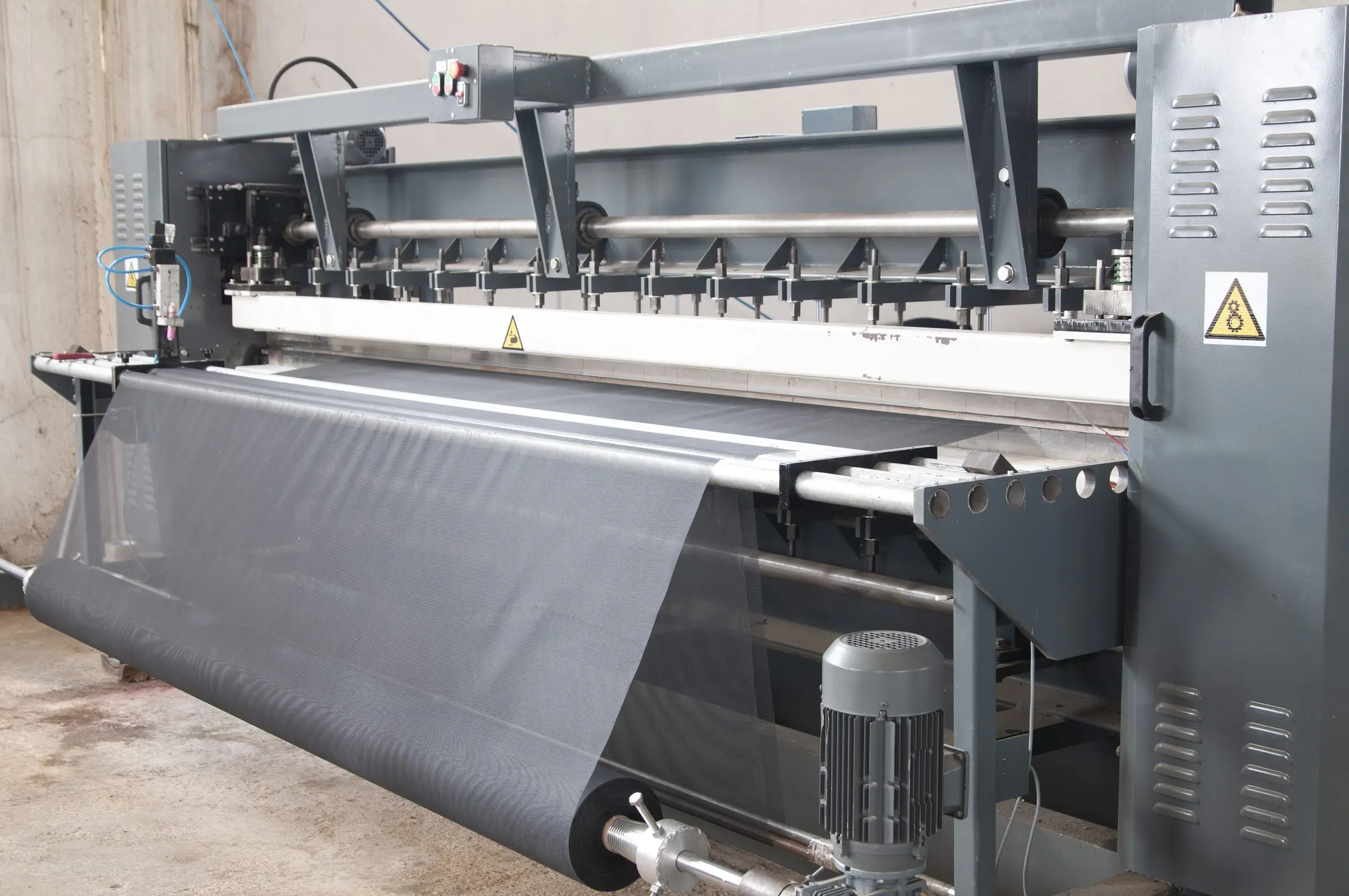
Every metre is
set by heat.
Our stenter line fixes the form, width and strength of the fabric for good. From the line it goes either to the pleating machine or onto a roll. Weight and length are recorded for every batch card.
RAM→ Pleating
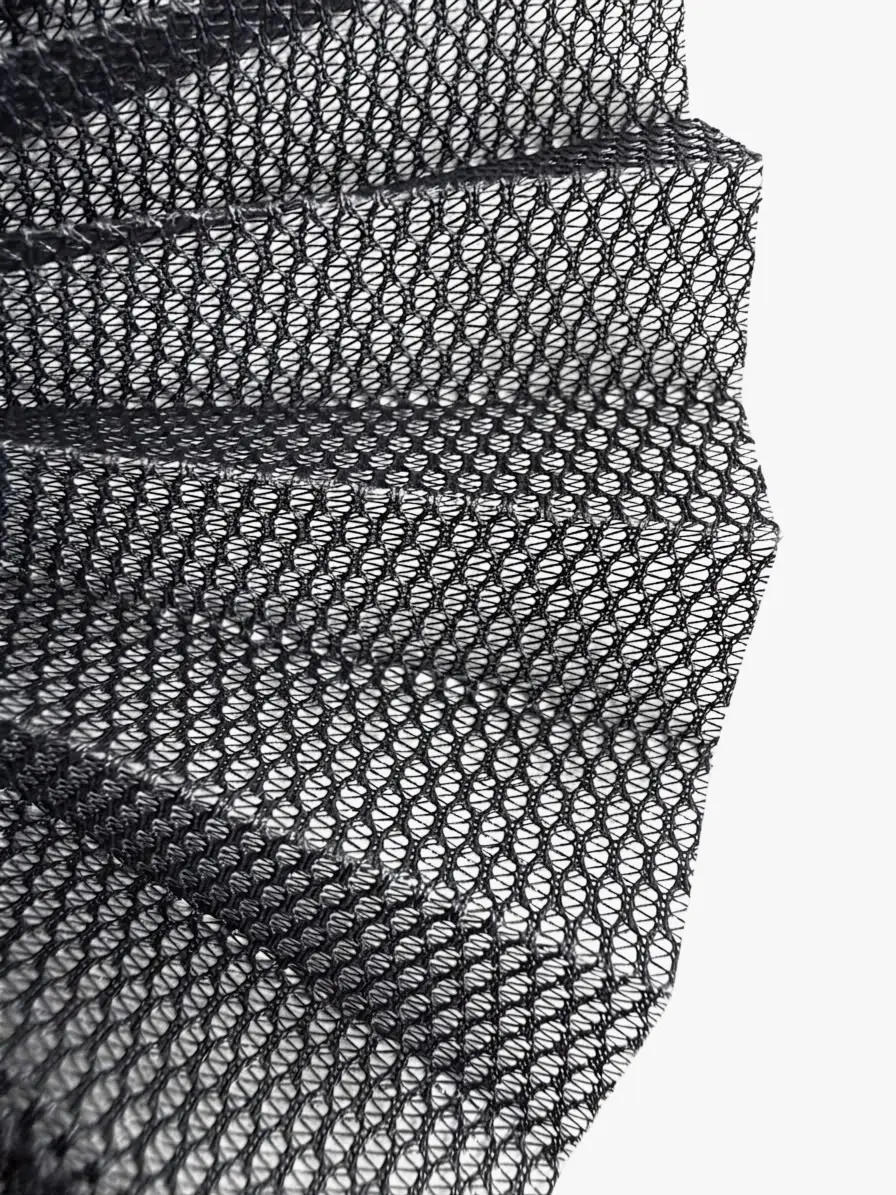 Pleated Insect Screen Mesh
64–66 g/m² · 14–19 mm · 190–300 cm
Pleated Insect Screen Mesh
64–66 g/m² · 14–19 mm · 190–300 cm
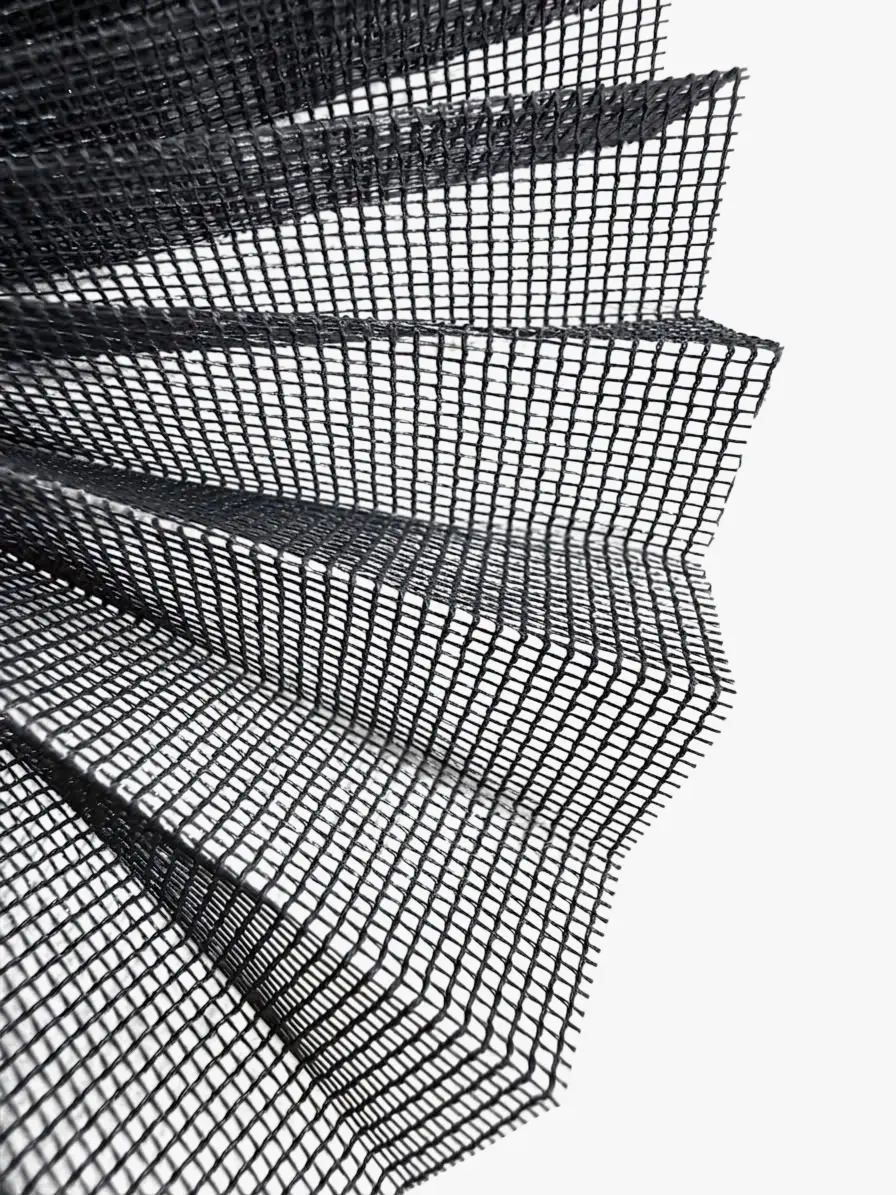 Pleated Pollen Screen Mesh
90–95 g/m² · 14–19 mm · 200–300 cm
Pleated Pollen Screen Mesh
90–95 g/m² · 14–19 mm · 200–300 cm
RAM→ Winding
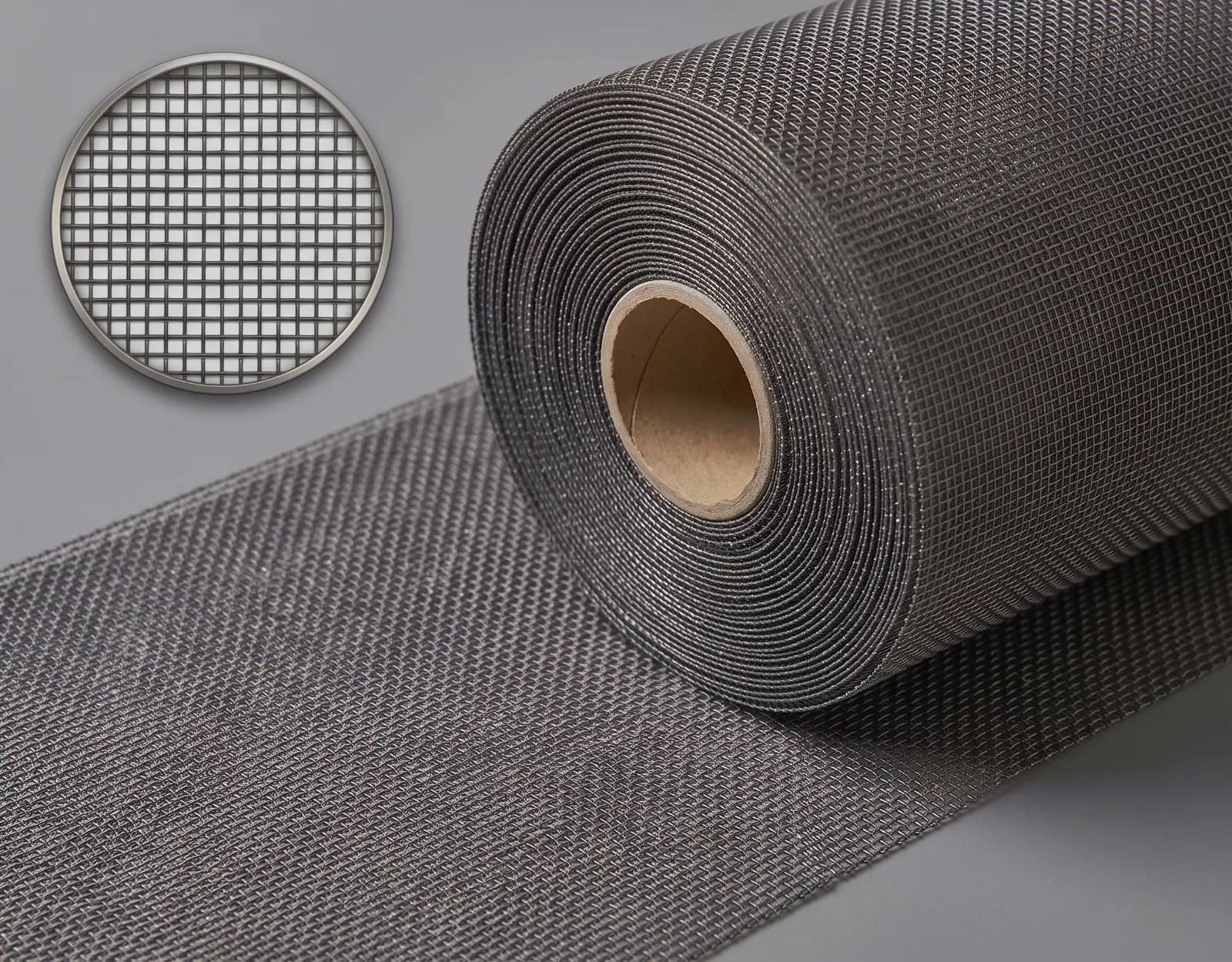 Flat Midge Mesh
85–90 g/m² · 50 m · 80–300 cm
Flat Midge Mesh
85–90 g/m² · 50 m · 80–300 cm
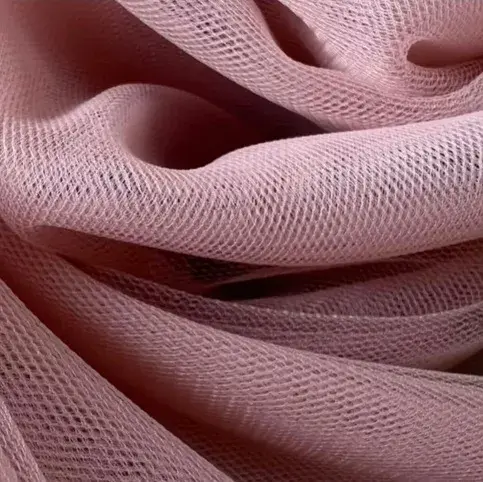 Hayal Tulle Defne
12 g/m² · 300 cm · 50 m
Hayal Tulle Italyan
21 g/m² · 300 cm · 50 m
Hayal Tulle Defne
12 g/m² · 300 cm · 50 m
Hayal Tulle Italyan
21 g/m² · 300 cm · 50 m
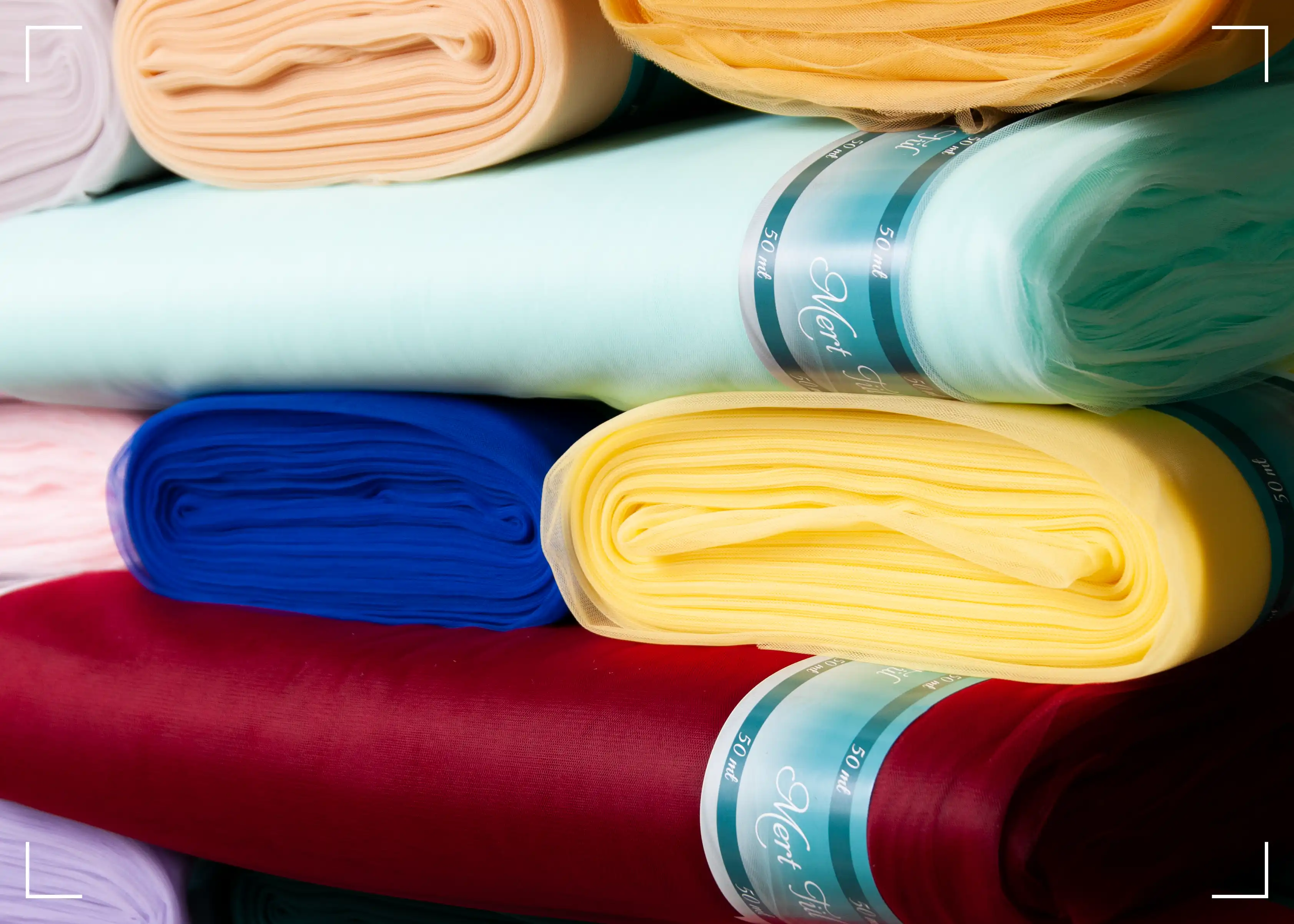 Hayal Tulle Mert
16 g/m² · 300 cm · 50 m
Hayal Tulle Mert
16 g/m² · 300 cm · 50 m
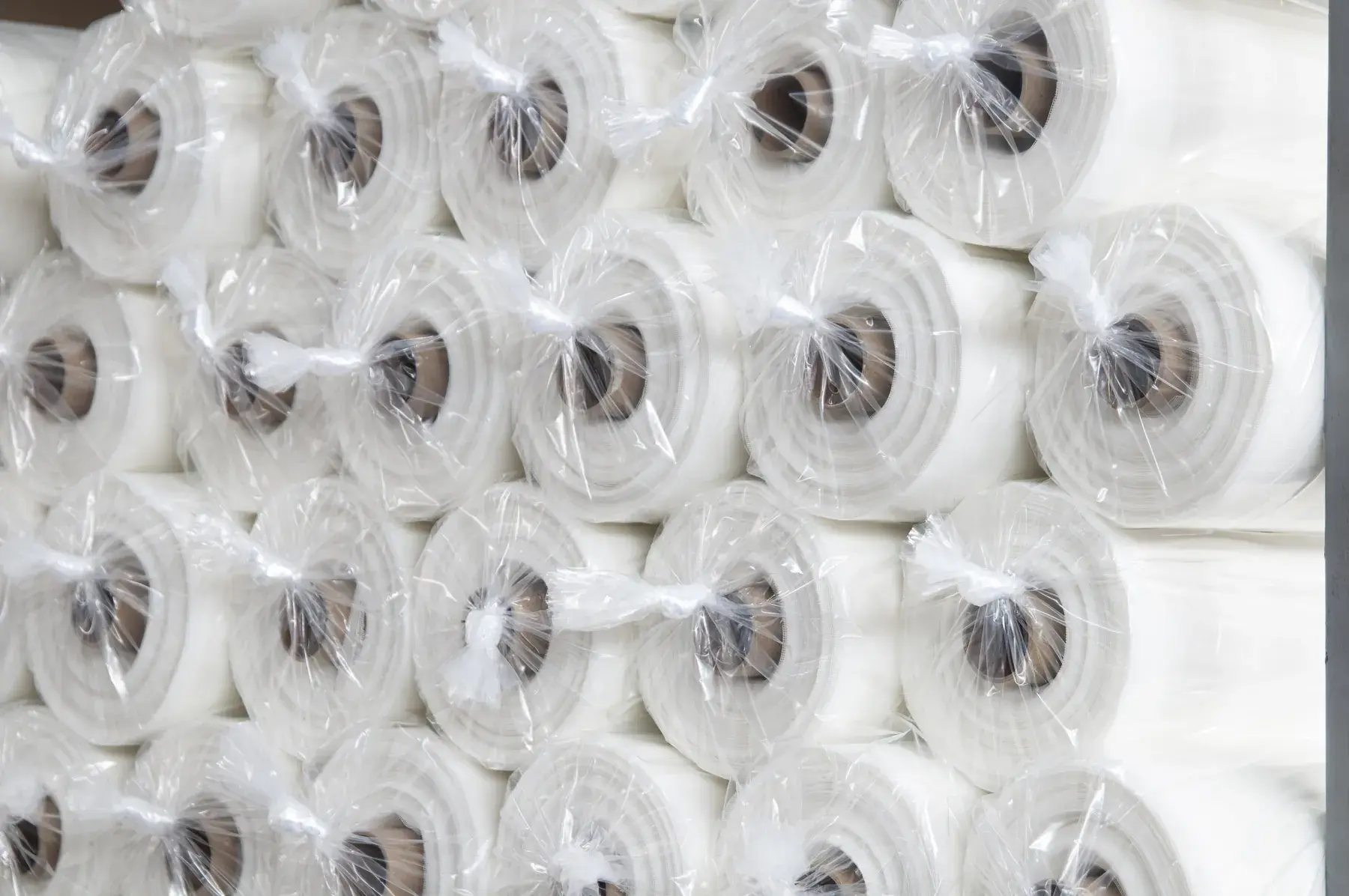 Square Midge Mesh
140–200 g/m² · 30 m · 80–300 cm
Square Midge Mesh
140–200 g/m² · 30 m · 80–300 cm
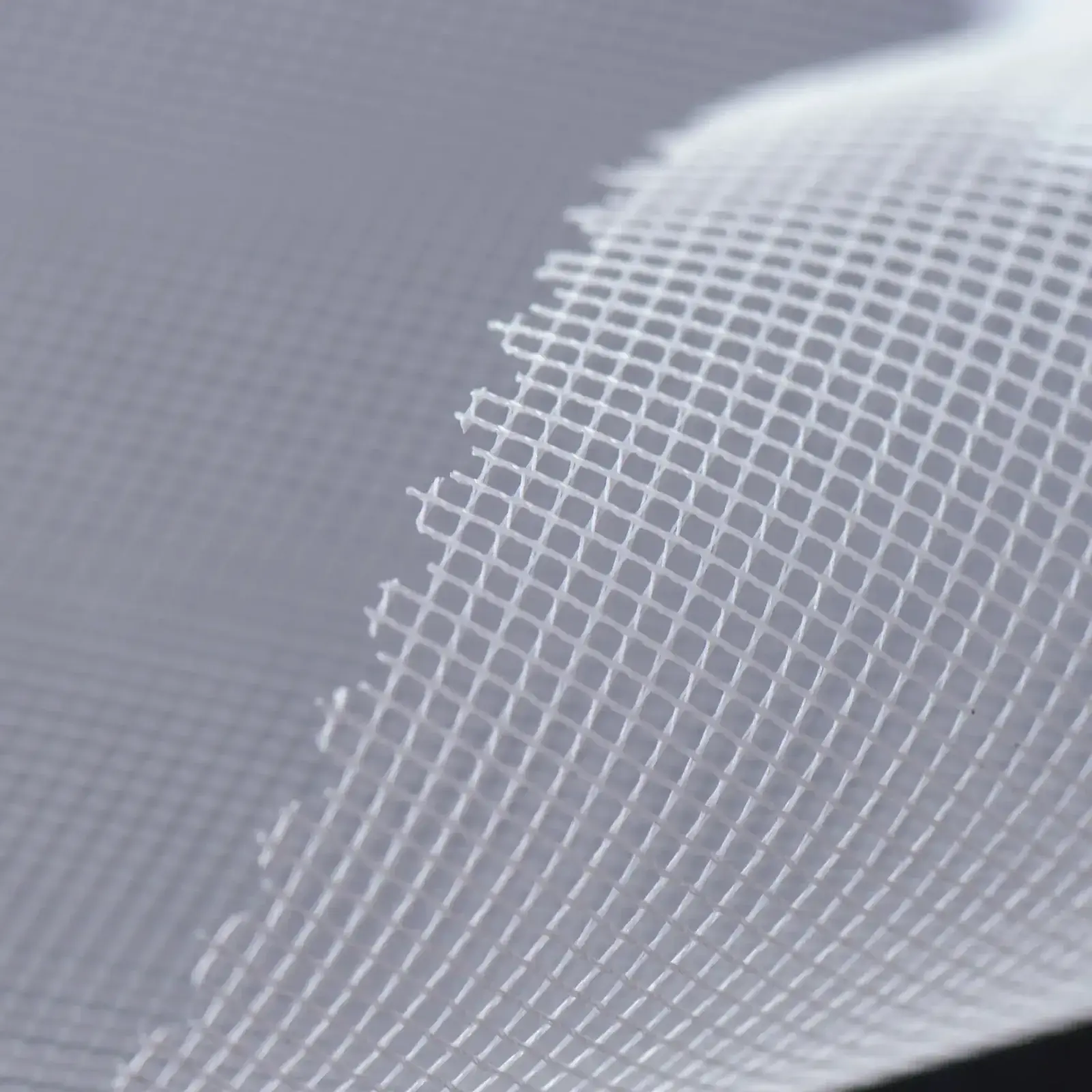 Square Tulle
60–62 g/m² · 150–300 cm · 50 m
Square Tulle
60–62 g/m² · 150–300 cm · 50 m
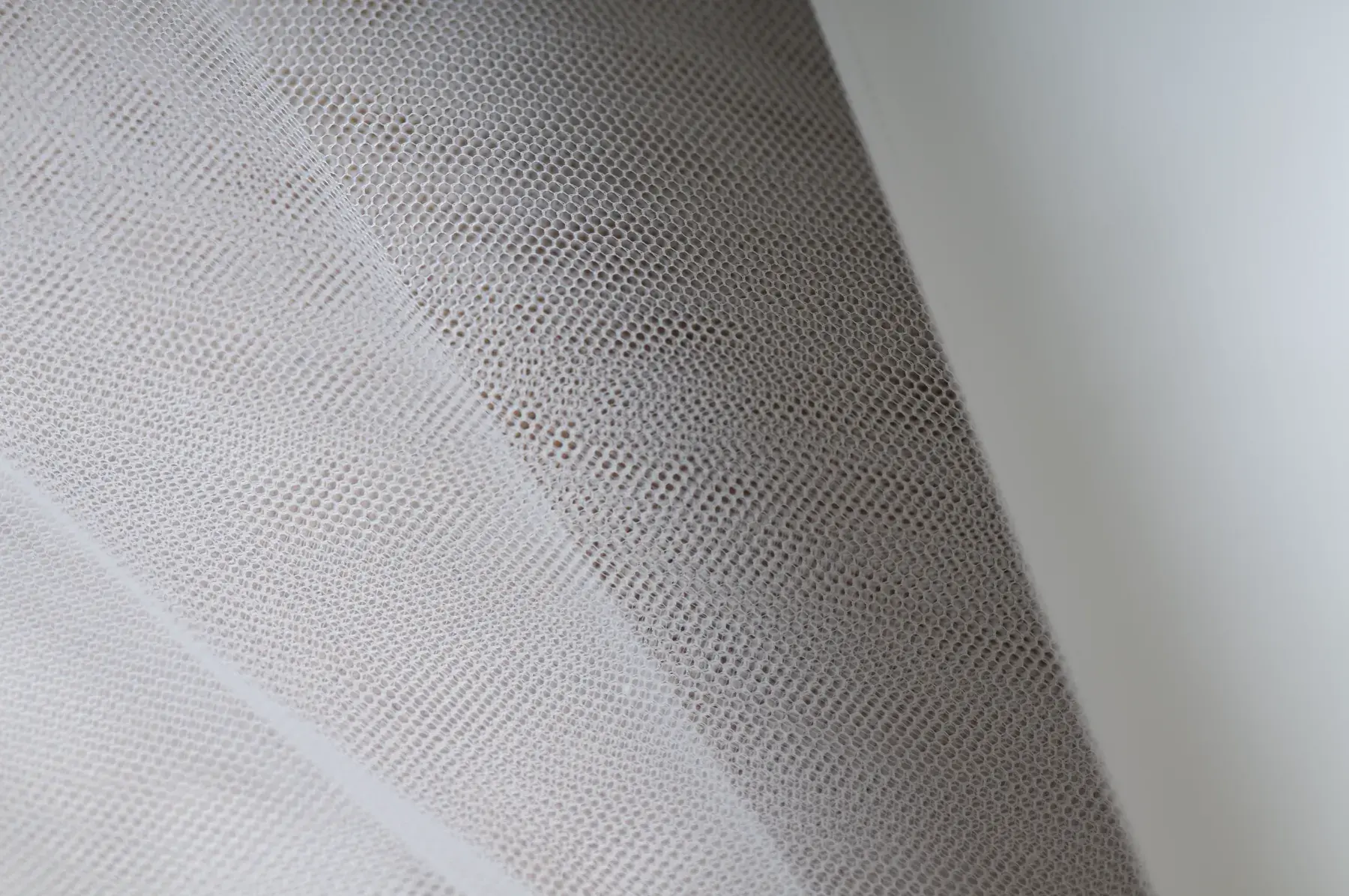 Stiff Crease-Resistant Tulle
27–28 g/m² · 200–300 cm · 100 m
Stiff Crease-Resistant Tulle
27–28 g/m² · 200–300 cm · 100 m
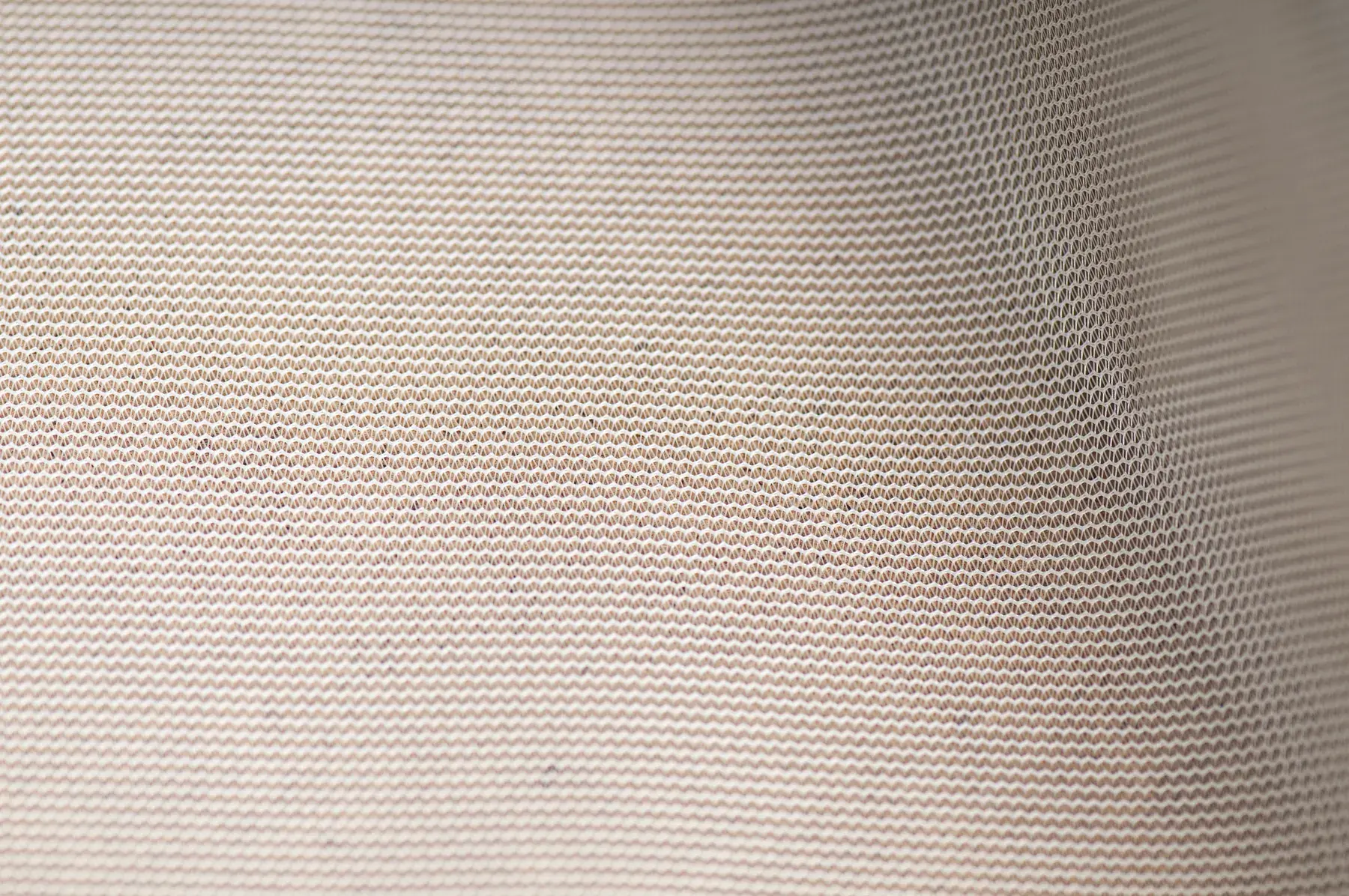 Voile Tulle
8–9 g/m² · 300 cm · 100 m
Voile Tulle
8–9 g/m² · 300 cm · 100 m
Production journey
From yarn to dispatch
See production up close →
From yarn to dispatch
in eight steps.
-
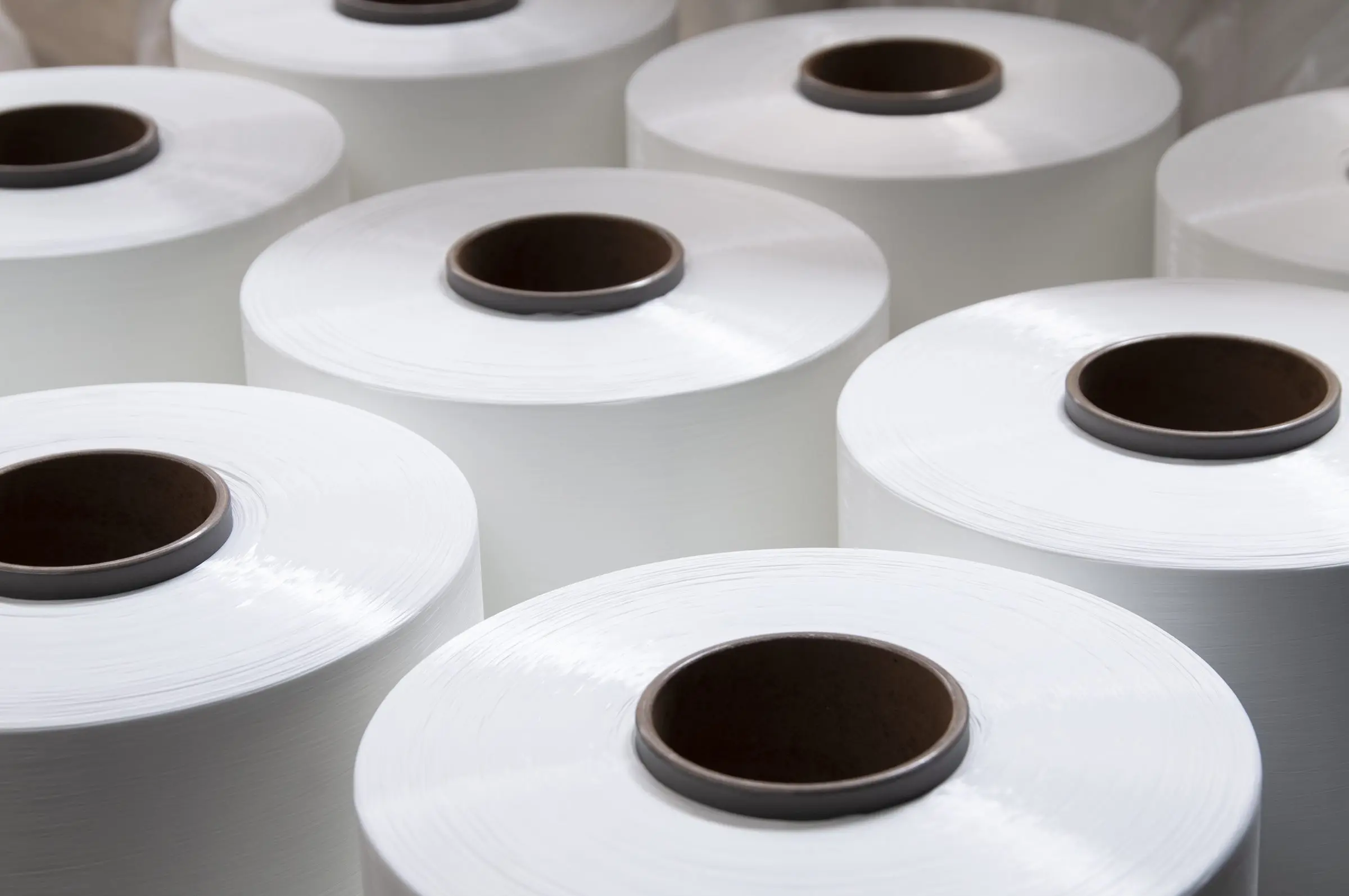
01 Yarn Polyester yarn bobbins are split into lots in the raw material store. Every lot is traced by its batch card all the way to the finished product.
-
02 Warping Yarn is wound onto beams on our warping machines. This is where the evenness of the knit is decided.
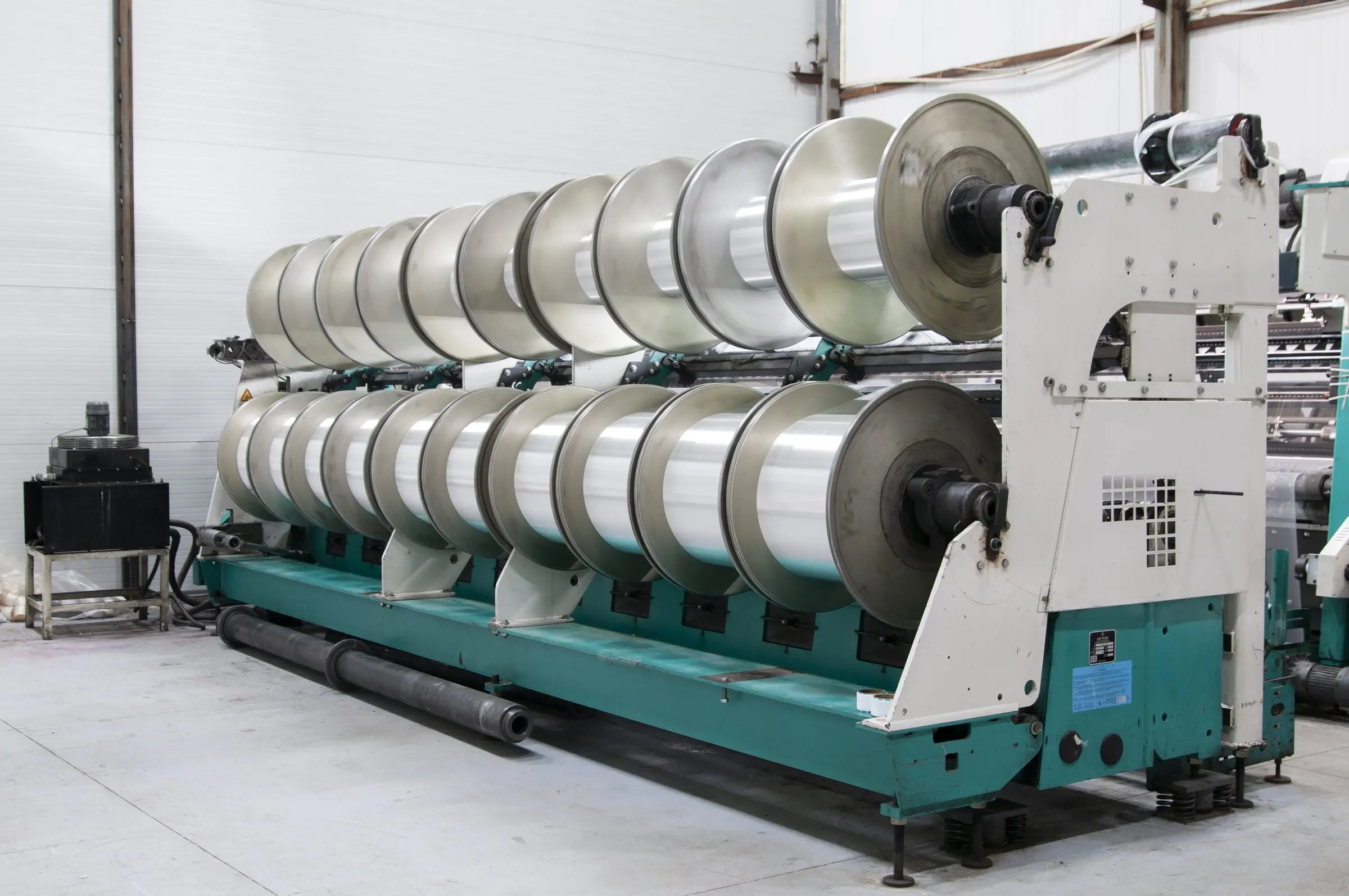
-
03 Knitting Insect, pollen, midge and bridal tulle structures are formed in our raschel knitting hall.
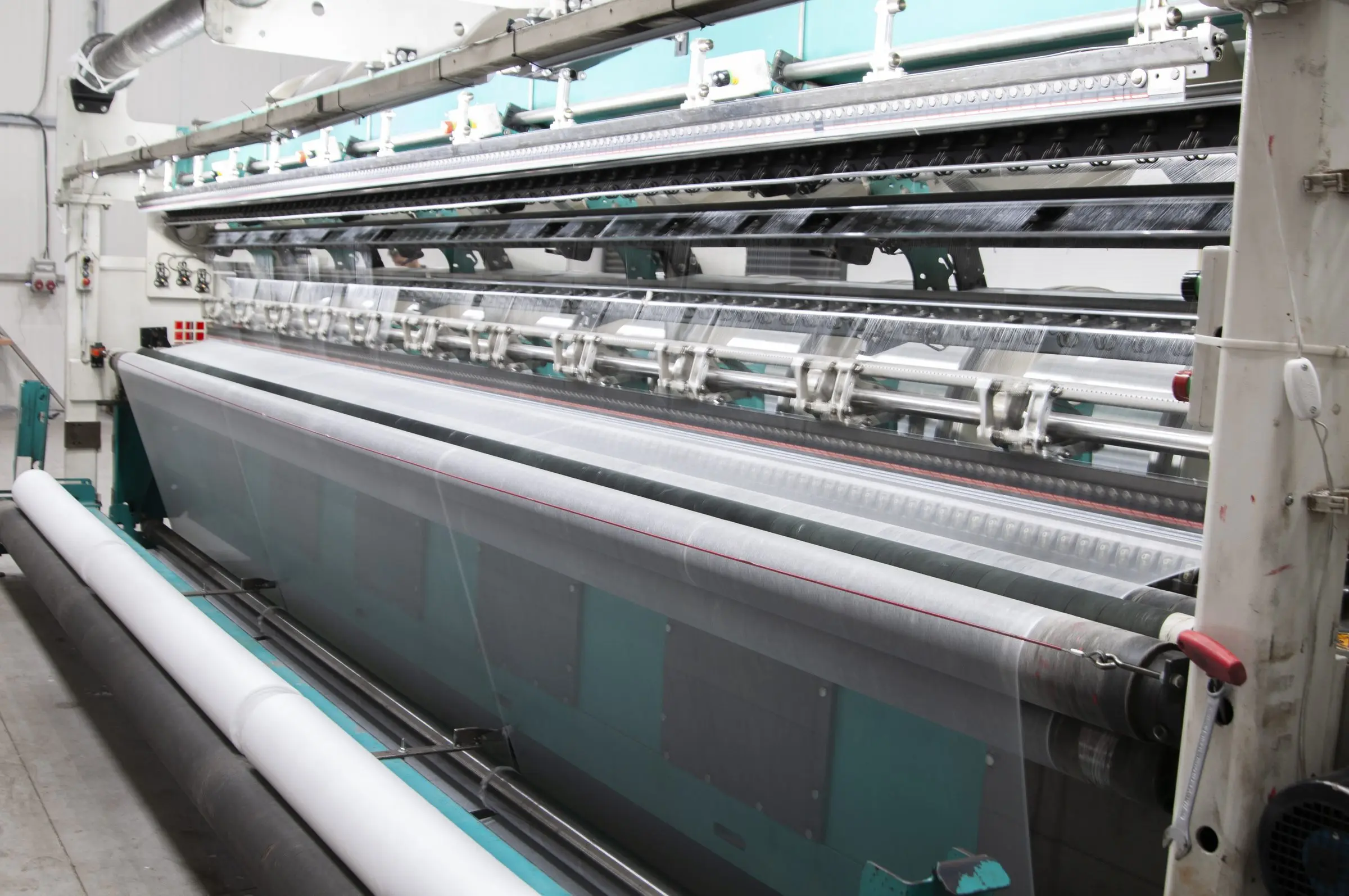
-
04 Finishing and dyeing Colour and finishing recipes are applied in the dye house; the wide colour card of our bridal tulles comes from here.
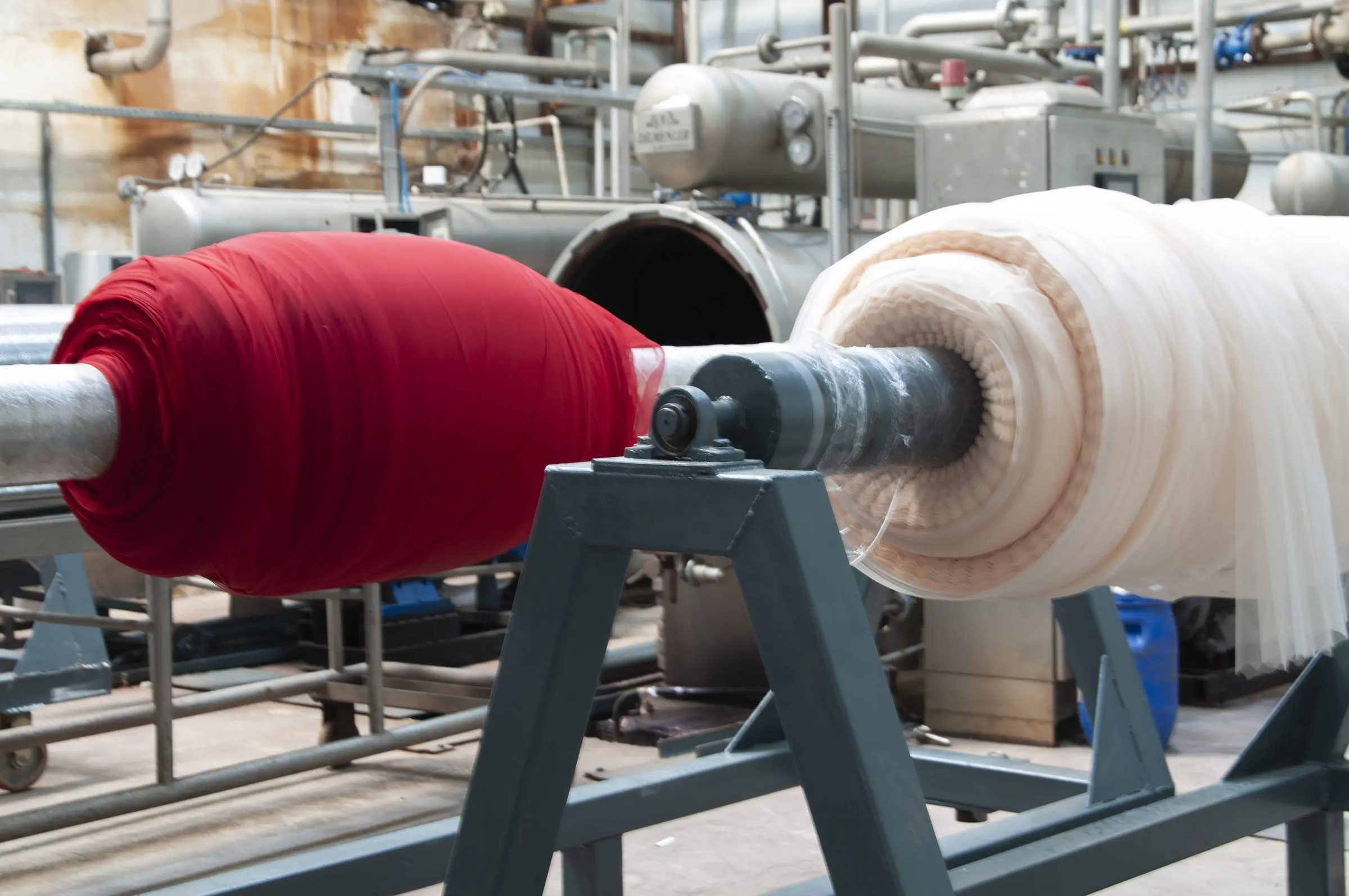
-
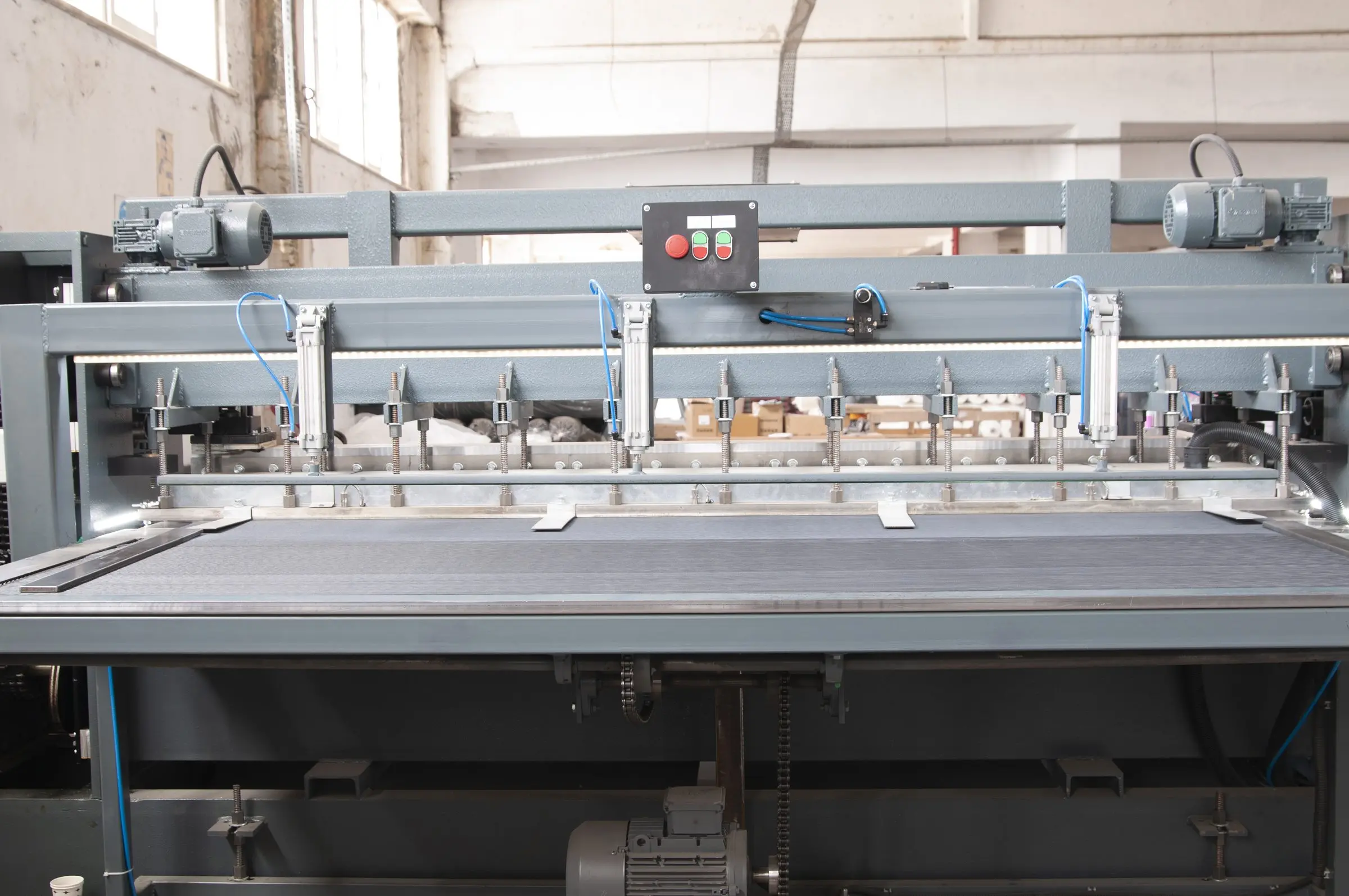
05 Stenter heat-setting On our industrial stenter line, heat fixes width, form and strength for good. From the line the fabric goes either to pleating or to winding.
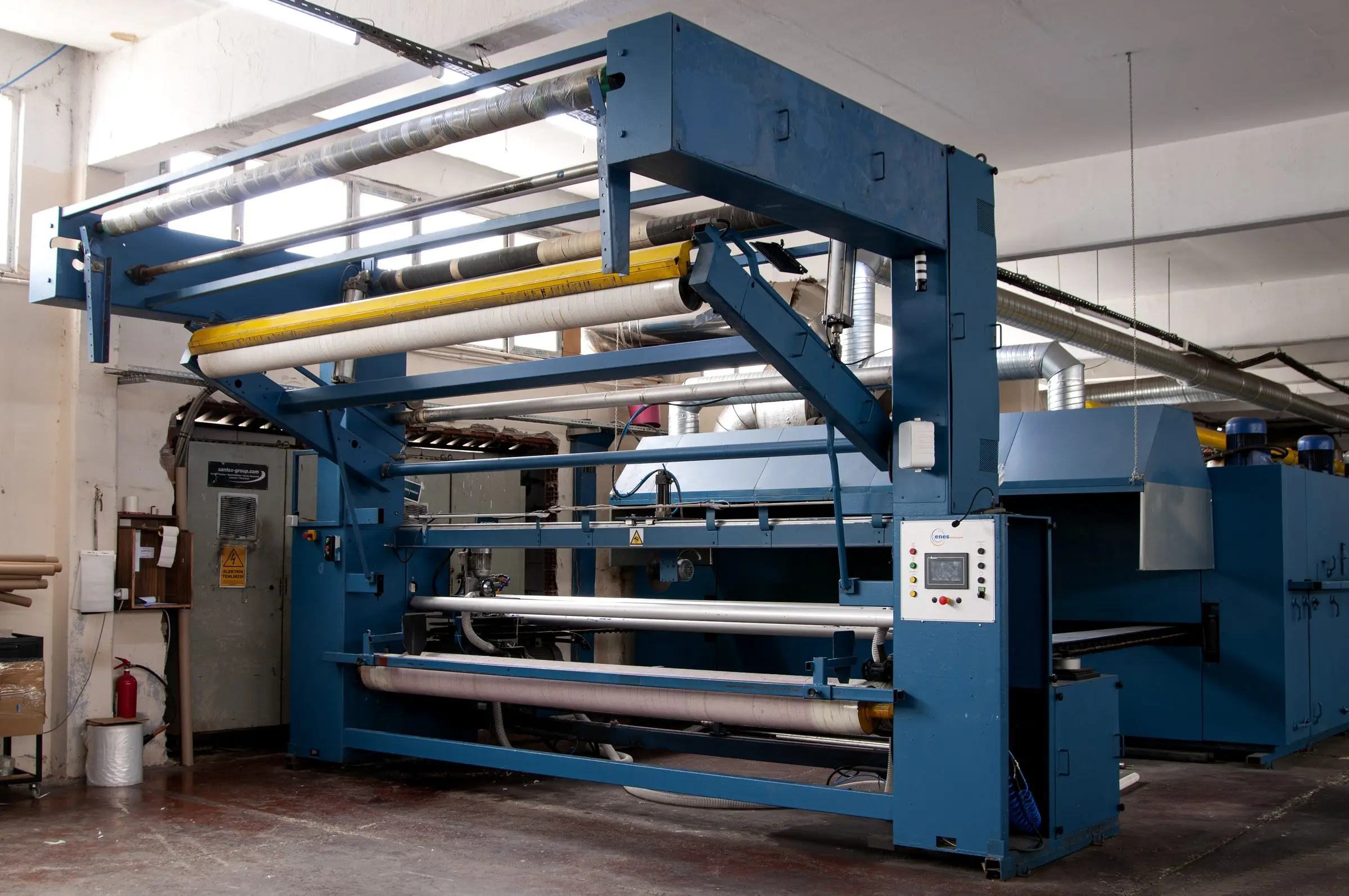
-
06 Pleating Insect mesh, pollen mesh and blind fabrics are pleated to 14–20 mm on our pleating machine.
-
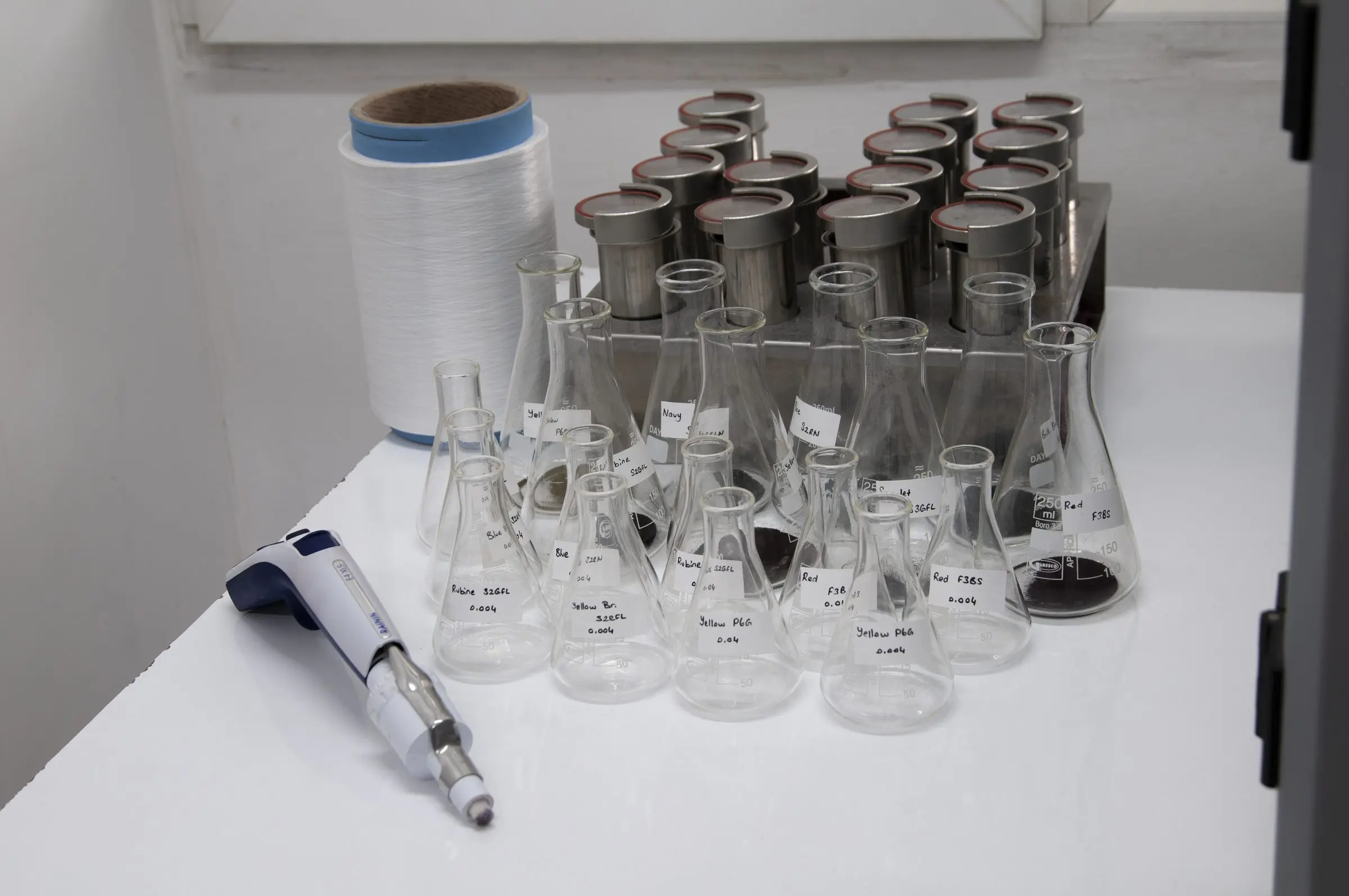
07 Laboratory and quality Yield (m²/kg) and shade are measured on every batch card; off-shade lots are flagged and set aside.
-
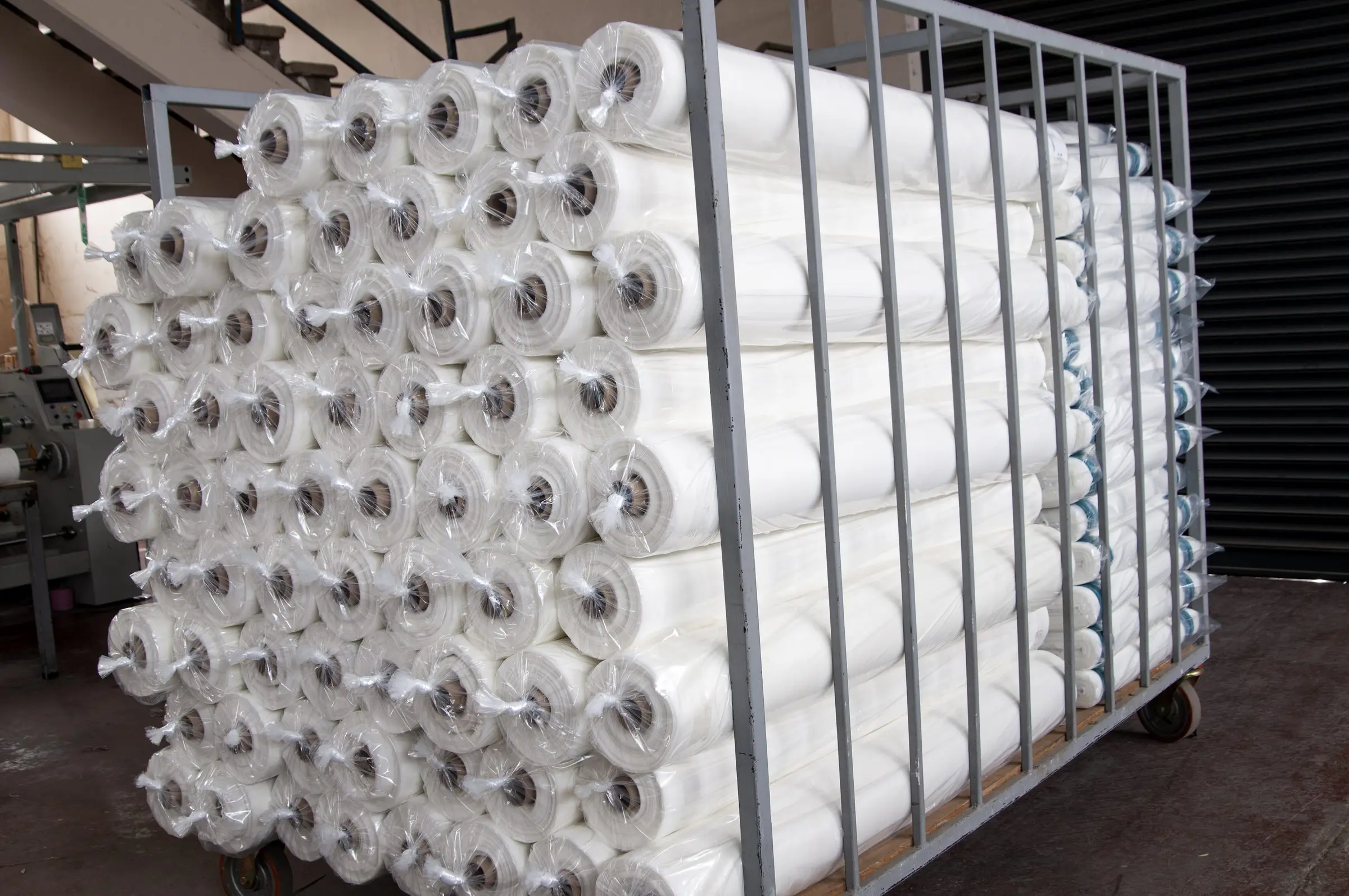
08 Winding, packing and dispatch Flat mesh is wound on rolls and pleated products packed in packs and cases, ready for dispatch in Türkiye and abroad.
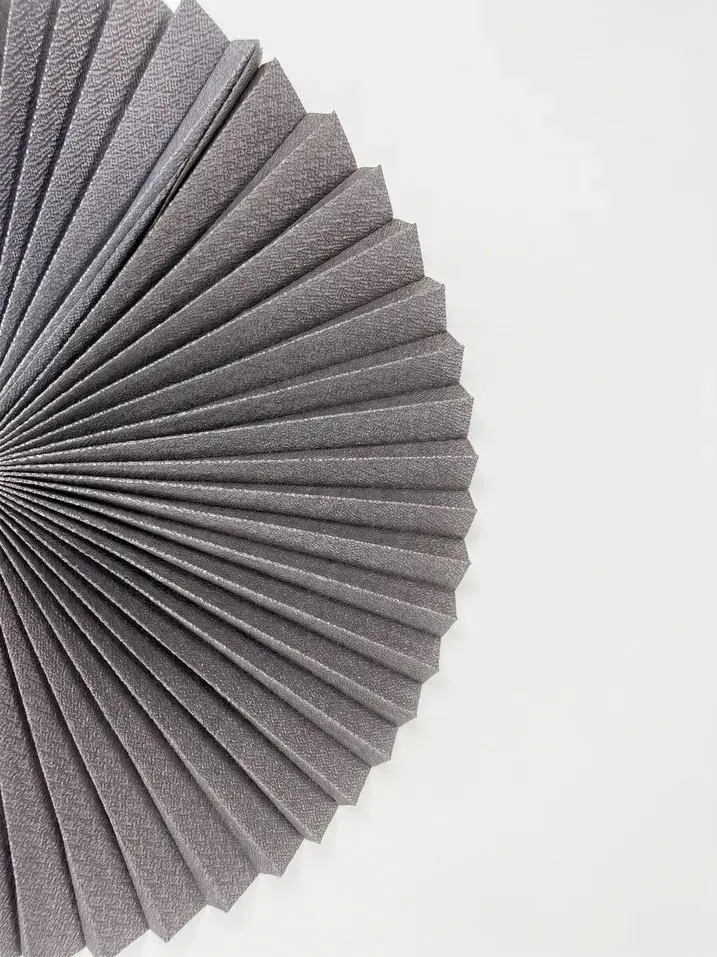
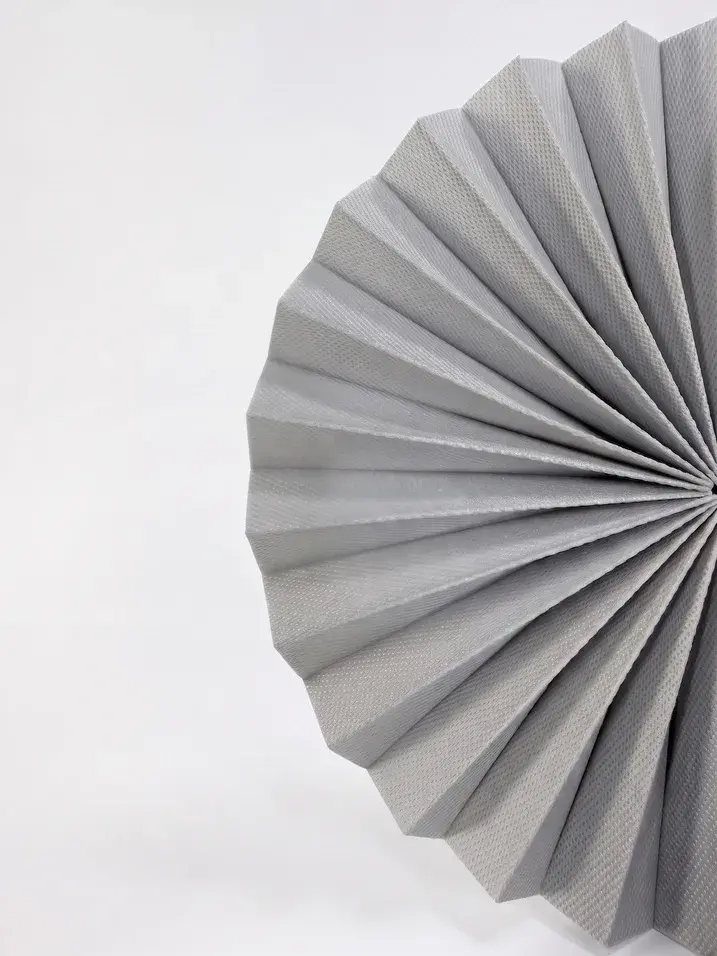
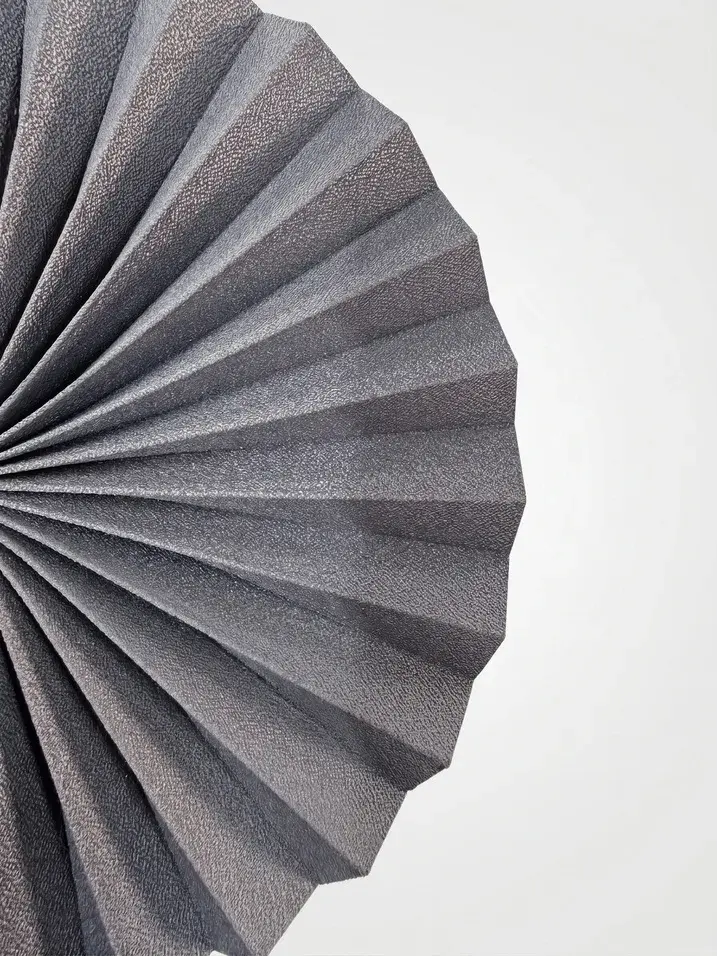
Pleated blind fabrics
You choose the light.
You choose the light.
We make the fabric.
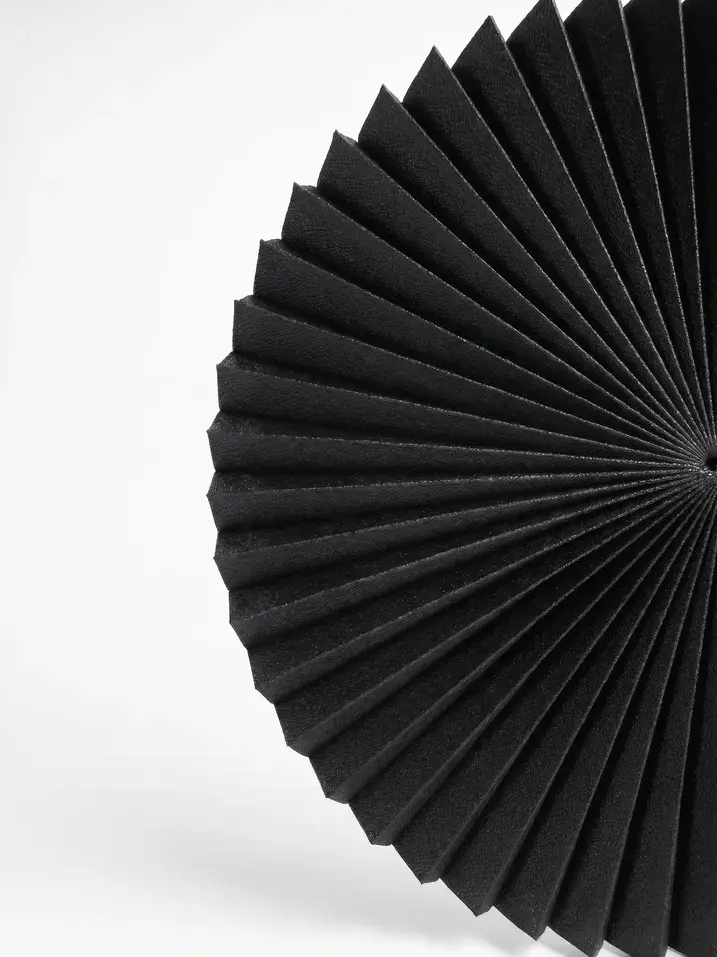
Five pleated blind fabrics, from the economy series to fully light-proof honeycomb. 15 mm pleat, 285–300 cm wide, packs of 40–100 m².
Hayal fabrics, 300 cm wide.
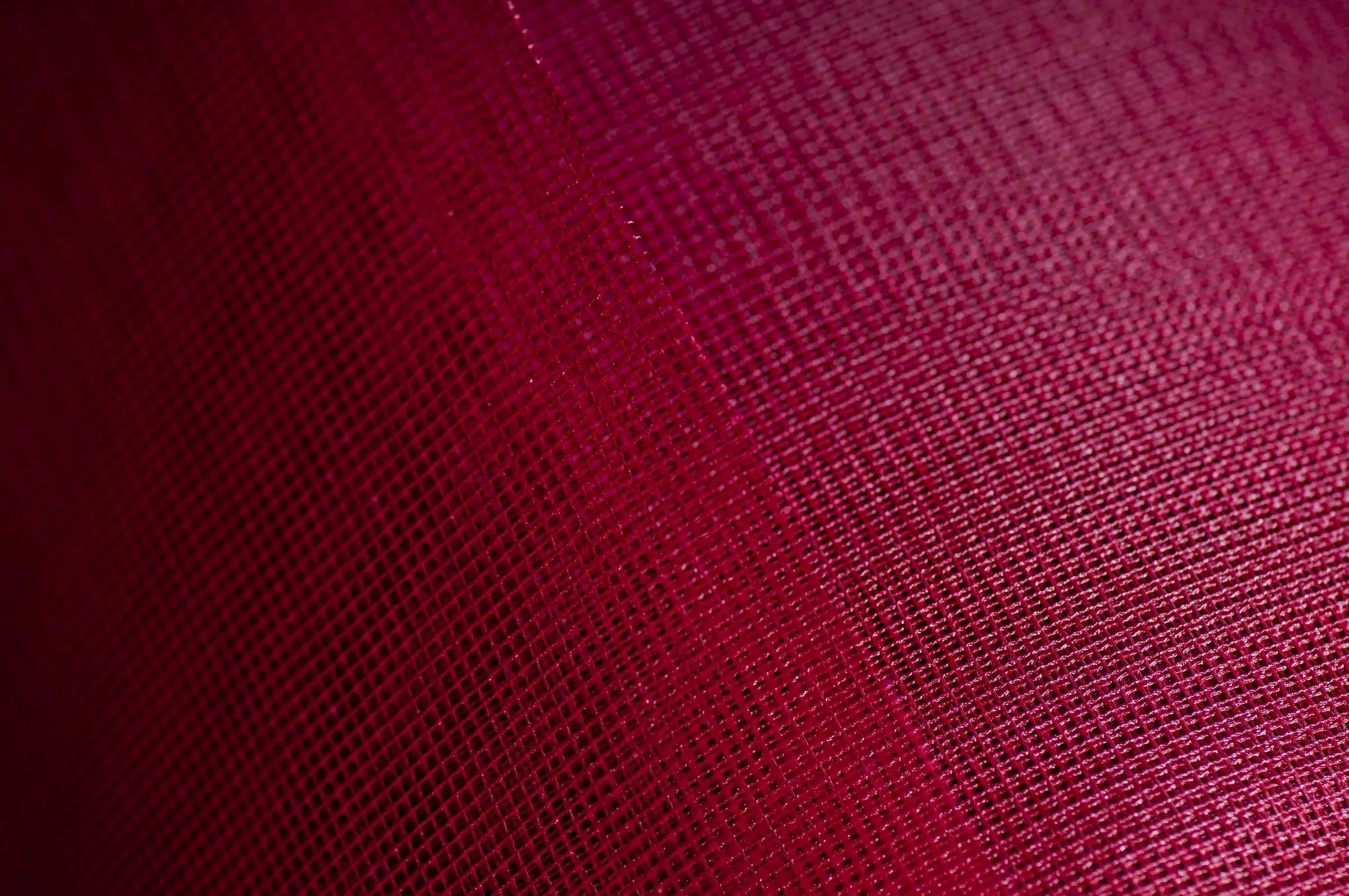
Mert, Defne and Italyan, on 50 m bolts.
Bridal and evening wear
Six tulles,
Six tulles,
endless colours.
From 8 g voile to 62 g square tulle, on 50 m and 100 m bolts, in the colours of our own dye house.
Complementary products
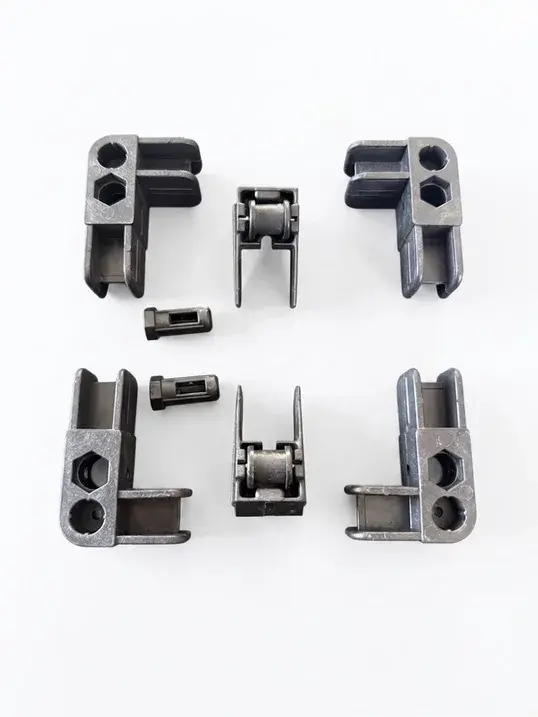
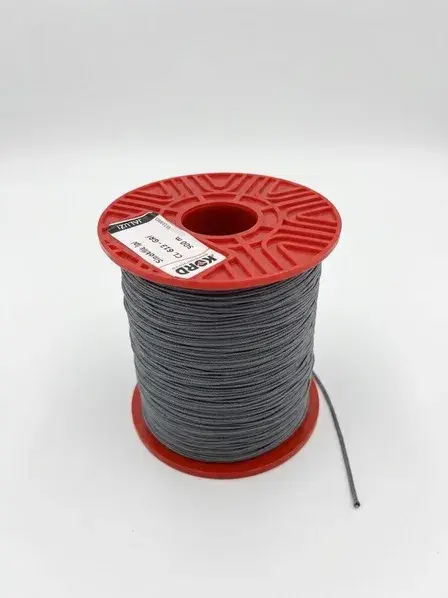
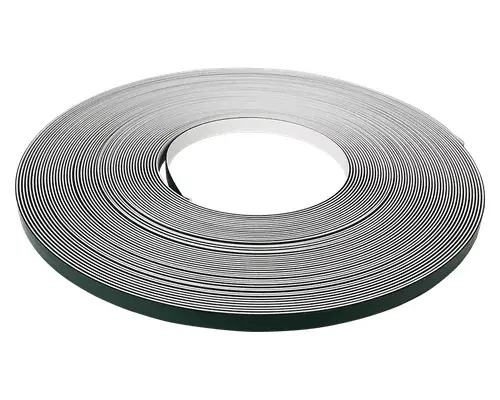
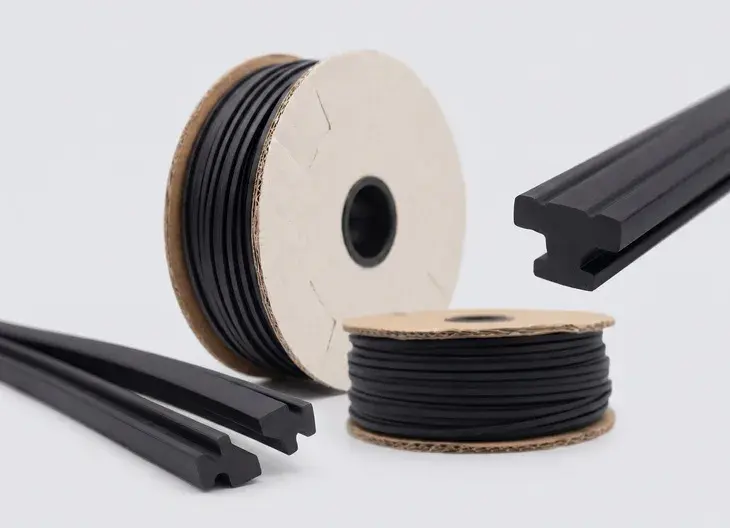
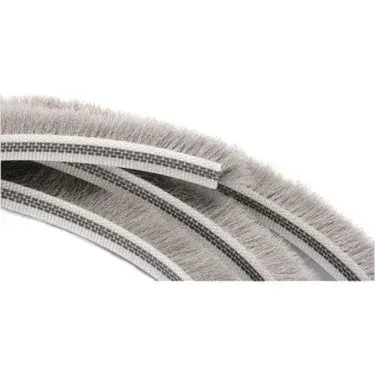
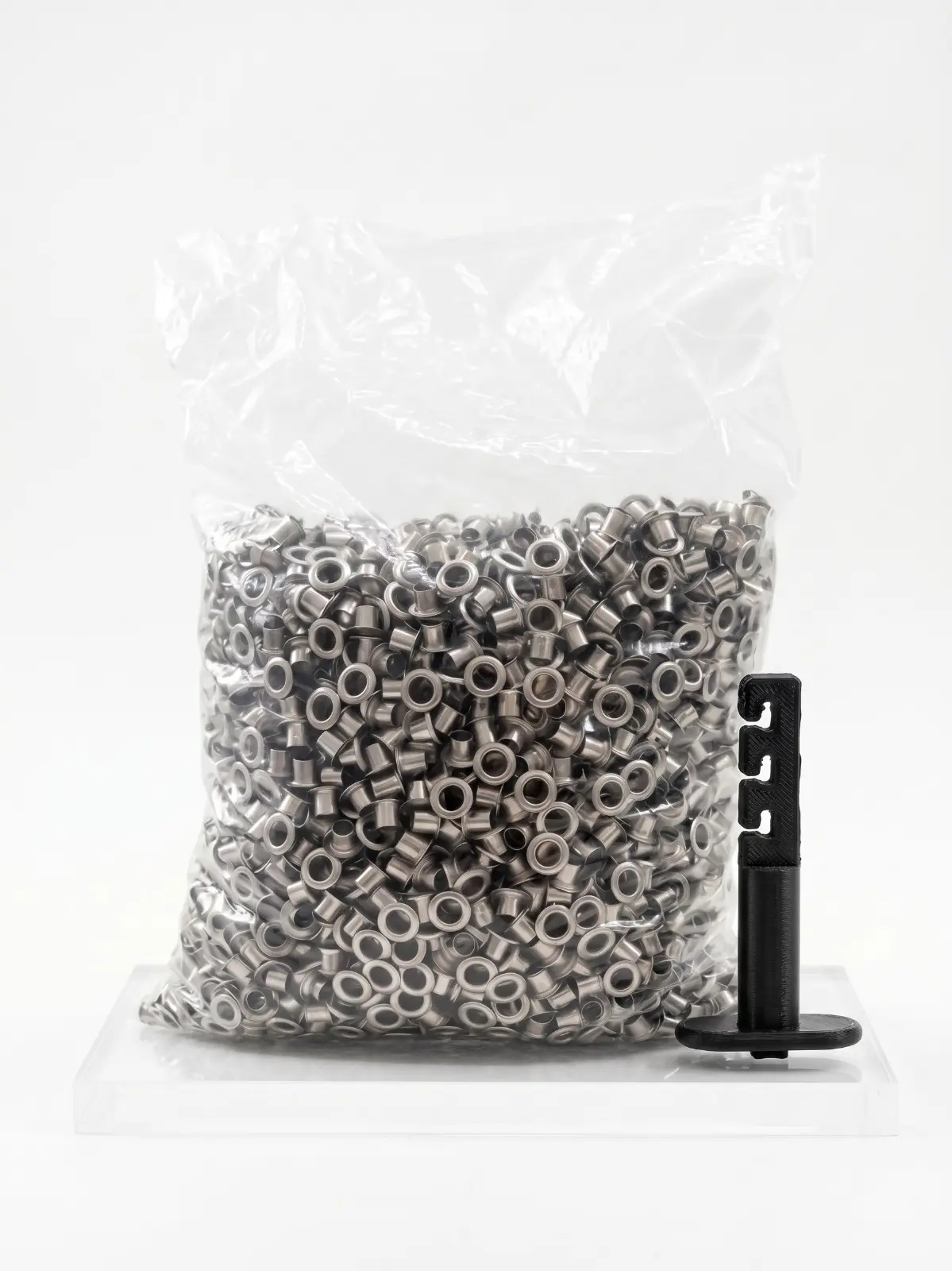
The rest of the system, in the same shipment.
All complementary products →
Why Anka
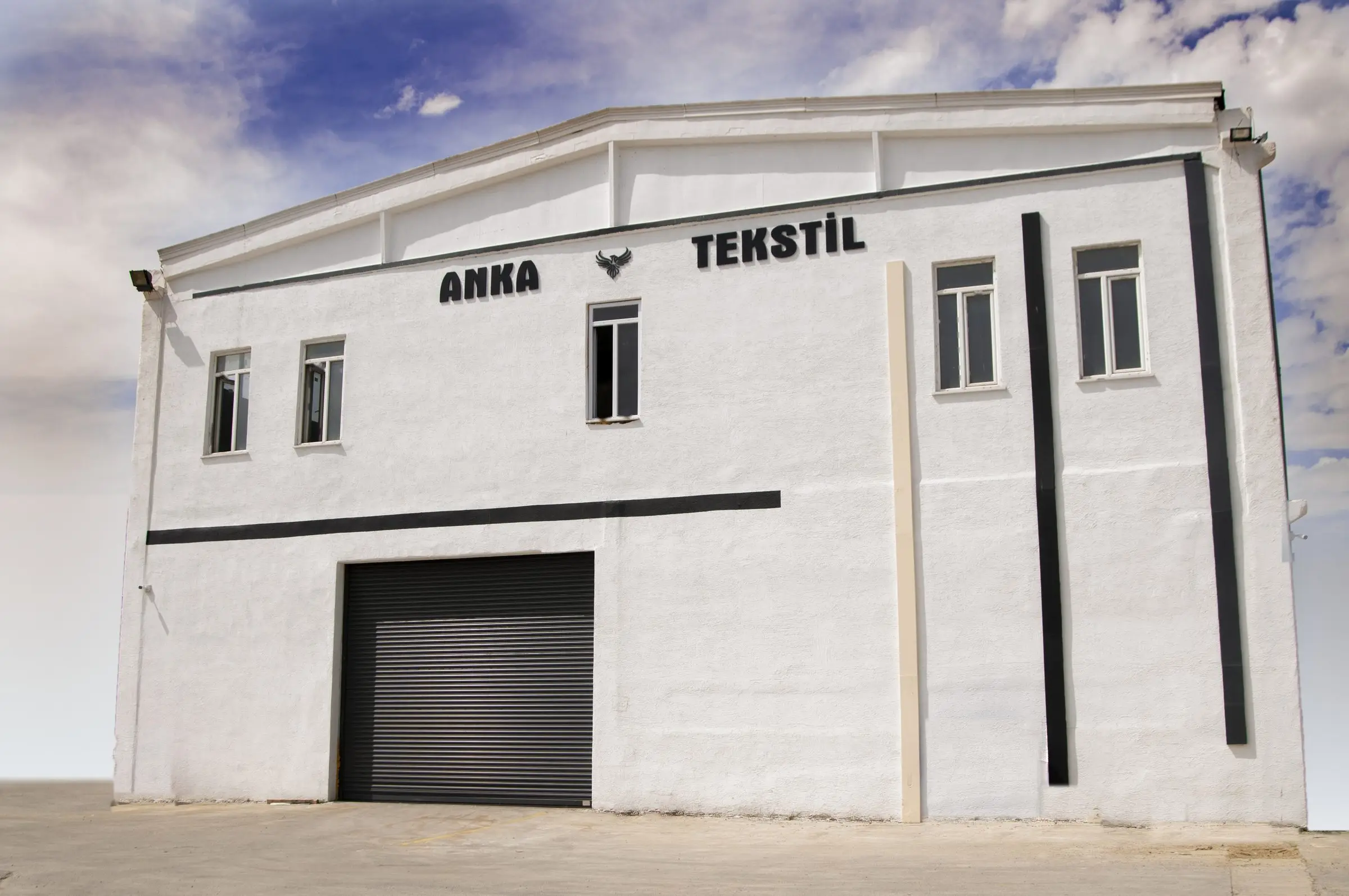
One plant that makes
One plant that makes
and sells.
Integrated productionKnitting, dyeing, stenter and pleating in one plant.
Stock strengthRolls and cases in stock before the season.
Measured qualityYield and shade checked on every batch card.
One shipmentMesh, blind fabric and accessories on the same truck.