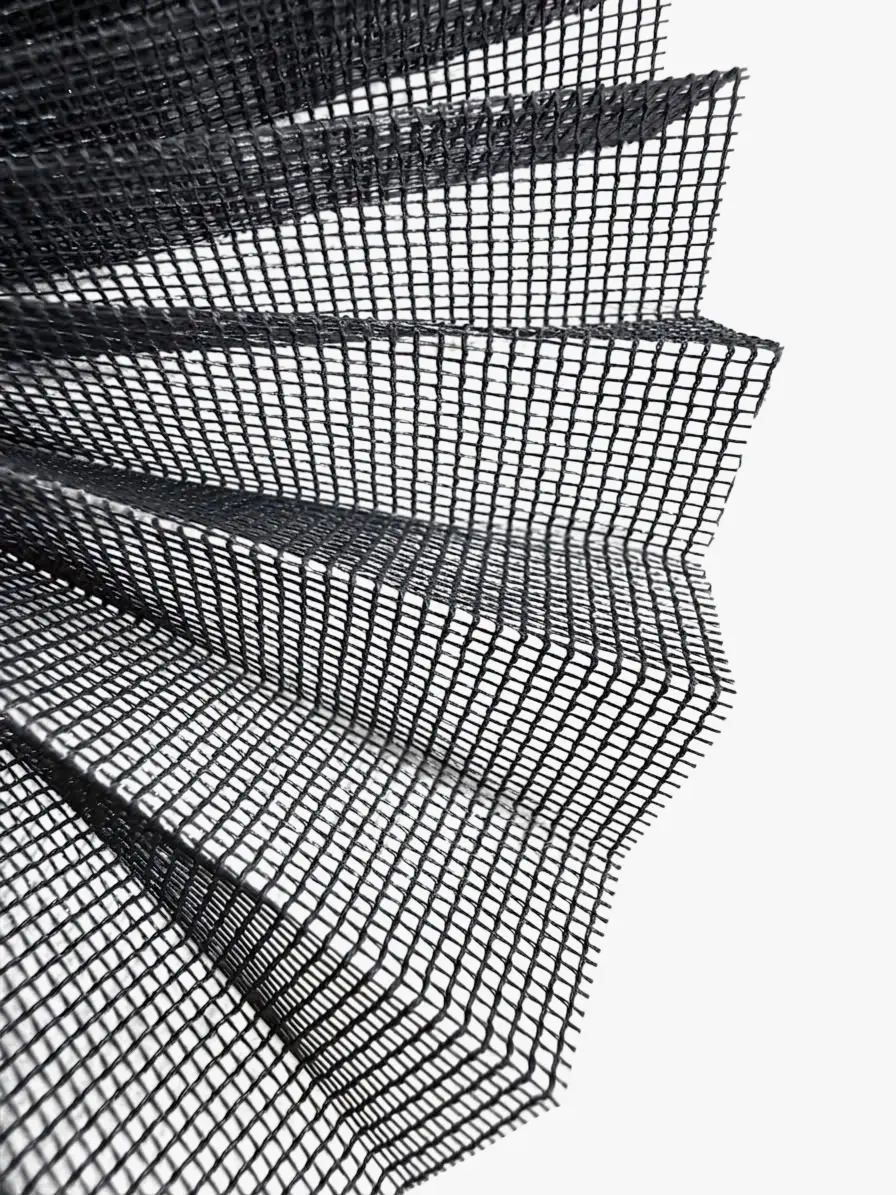
Pleated Pollen Screen Mesh
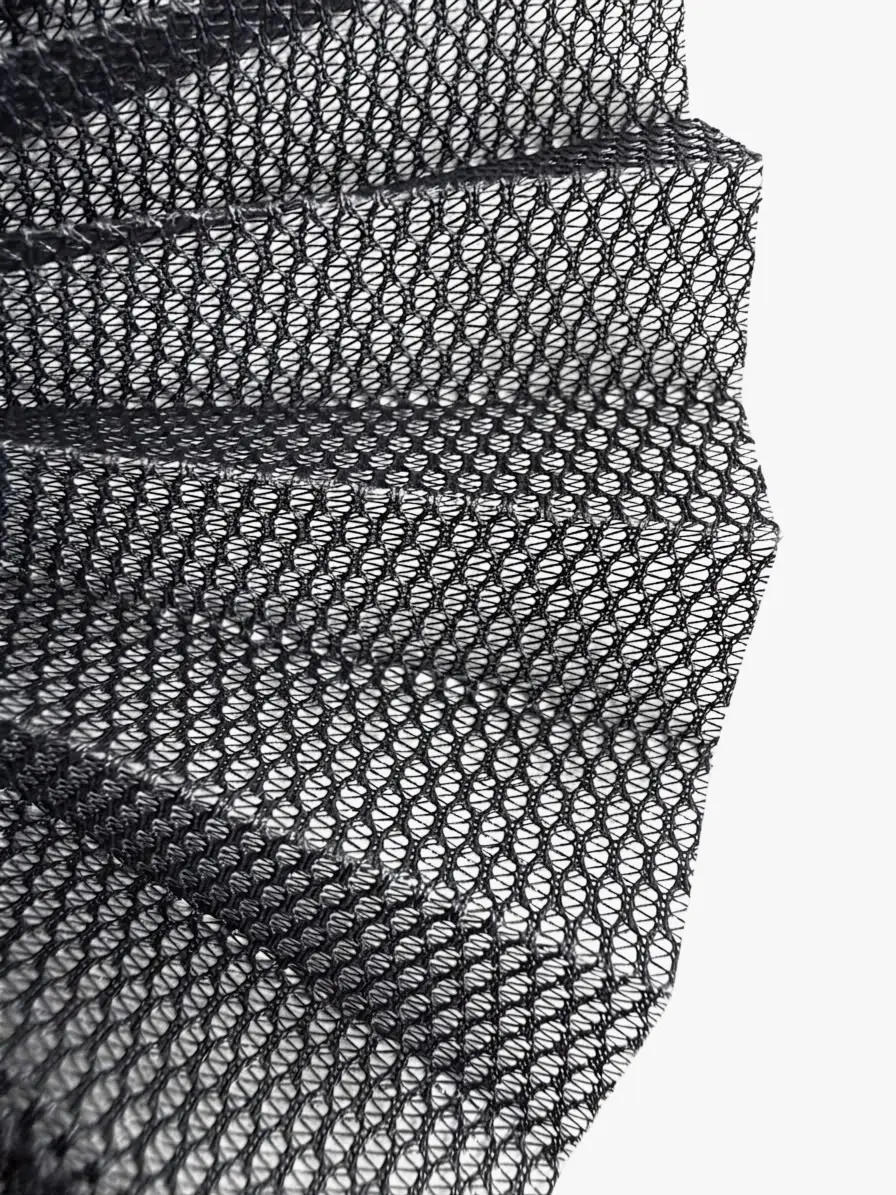
Plise Polen TülüKnitted denser than standard insect mesh, our pollen mesh suits pleated systems for allergy sufferers and dusty areas. The same stenter heat-setting makes the pleat permanent.
Made at 90–95 g/m² in 14, 15, 16 and 19 mm pleat depths and five widths from 200 to 300 cm.
Technical specifications
| Material | 100% polyester |
|---|---|
| Process | Knitting, finishing, dyeing, stenter heat-setting |
| Weight | 90–95 g/m² |
| Pleat depth | 14, 15, 16, 19 mm |
| Width | 200, 220, 240, 270, 300 cm |
| Packaging | Pack · full case |
| Mesh count | On request |
| UV resistance | On request |
| Tensile strength | On request |
What is pollen mesh?
Pollen mesh is knitted denser than standard insect mesh. Its smaller openings reduce pollen and fine dust as well as insects. Our pleated pollen mesh is 90–95 g/m², against 64–66 g/m² for our standard pleated mesh, and goes through the same stenter heat-setting and pleating.
Who is it for?
Allergy sufferers, homes near roads, building sites or farmland, and dusty workplaces. Screen manufacturers usually offer it as a separate "pollen" or "allergy" option, since the denser knit lets through somewhat less air and view than standard mesh.
Sizes and ordering
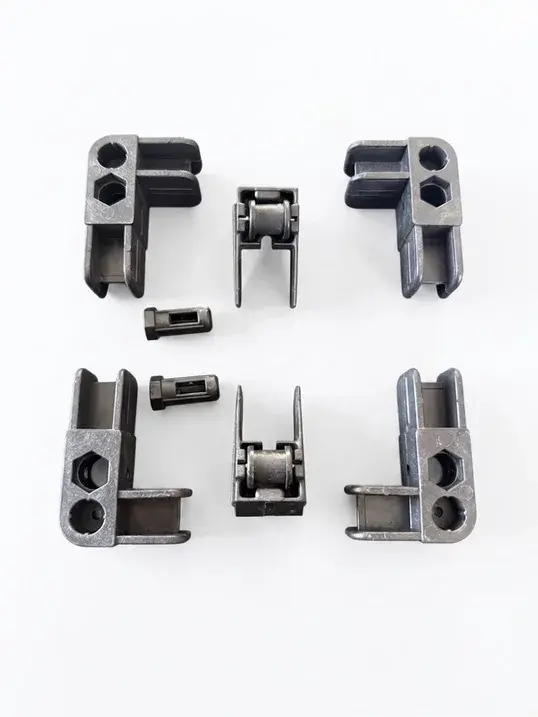
Made in 14, 15, 16 and 19 mm pleat depths and 200, 220, 240, 270 and 300 cm widths, so it fits the same profile systems as our standard pleated mesh. Shipped in packs or full cases, together with standard mesh and accessories if you need them.
Frequently asked questions
Does pollen mesh block all pollen?
No mesh blocks pollen completely. Its denser knit clearly reduces the pollen and fine dust that gets in compared with standard insect mesh.
Does it fit standard pleated screen systems?
Yes. It is made in the same 14, 15, 16 and 19 mm pleat depths as our standard pleated mesh.
Can I get a sample?
Yes. Use the sample request on our quote page.
From knitting to the case, under one roof.
-
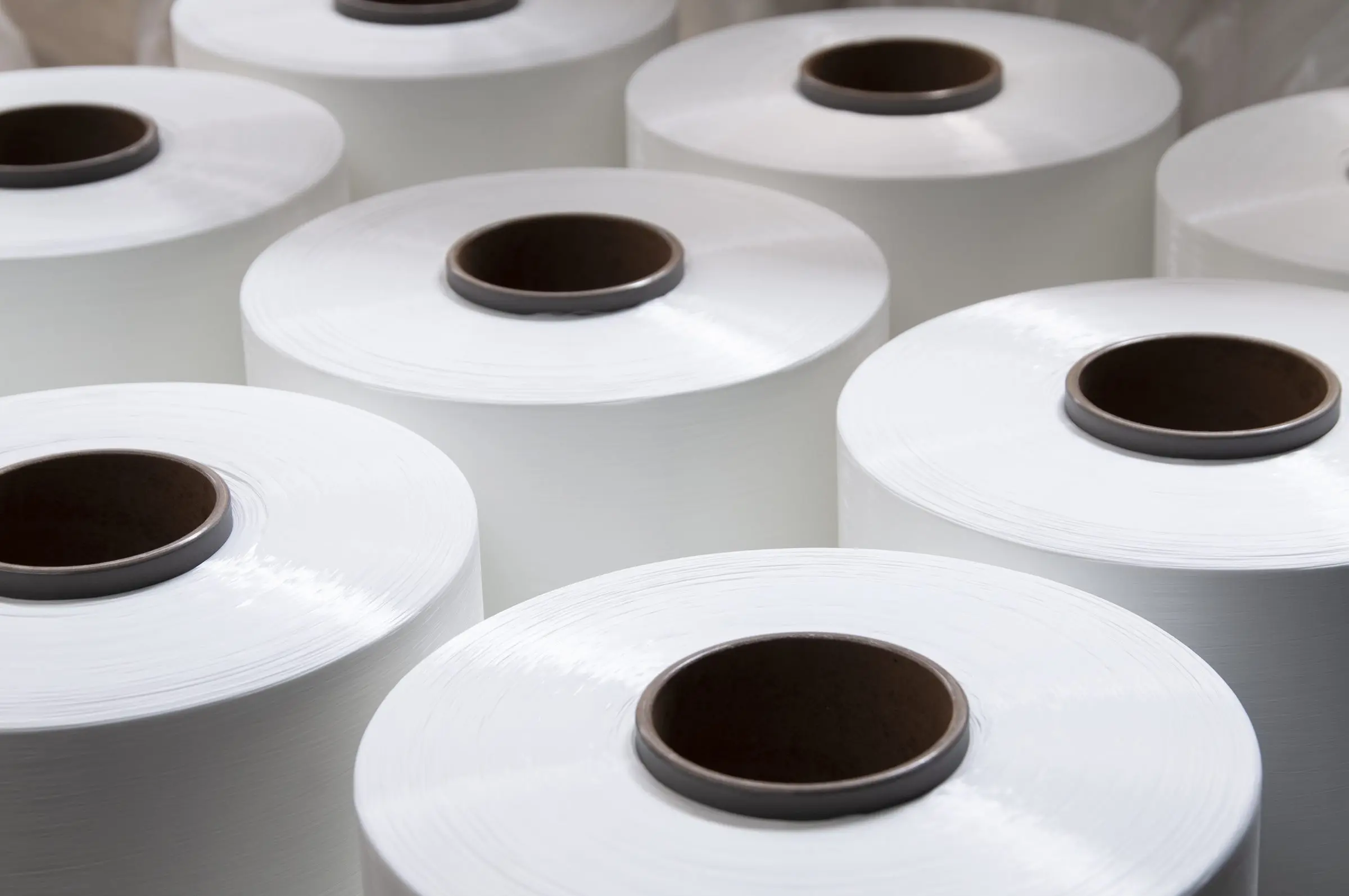
01 Yarn
-
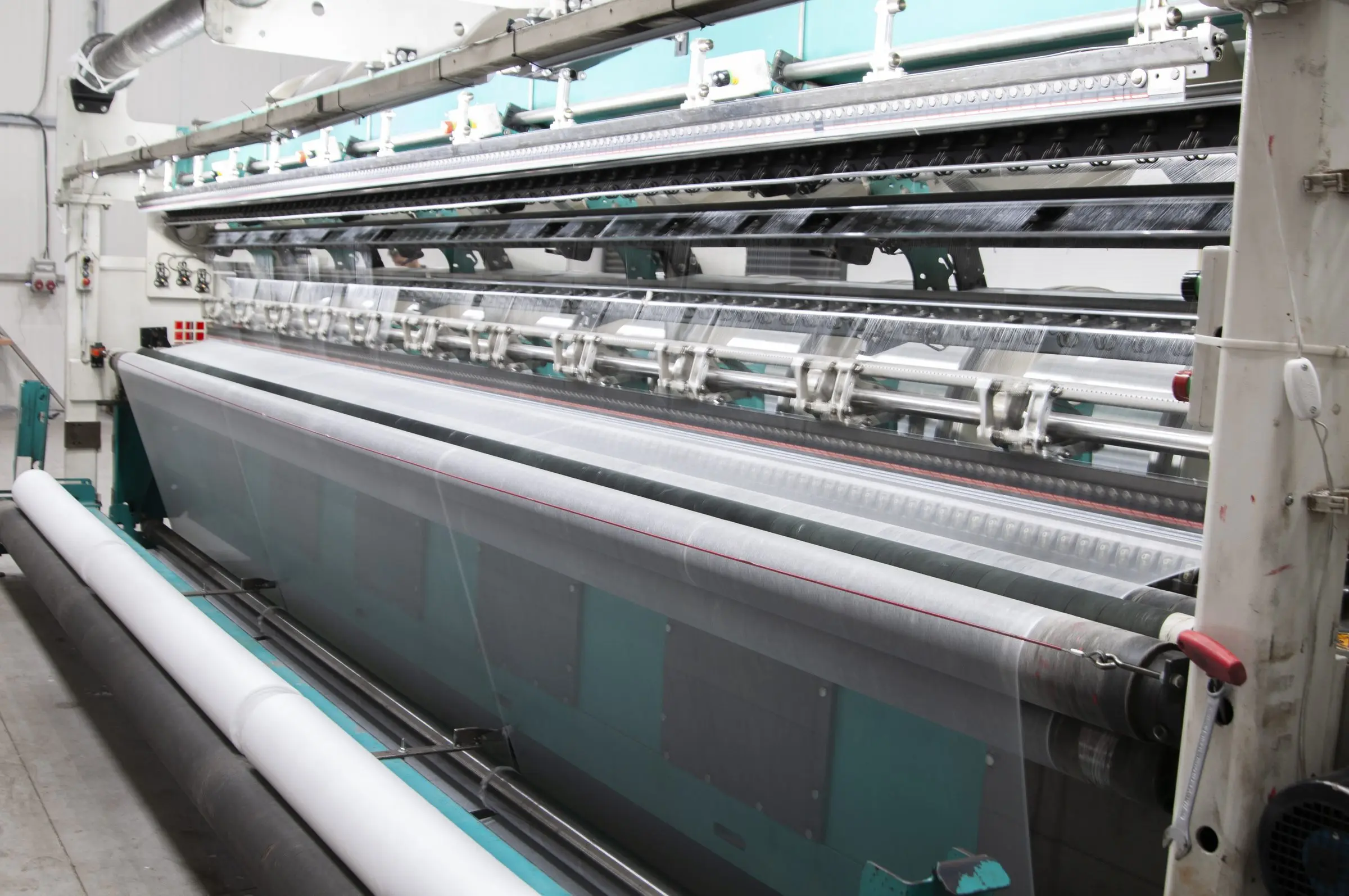
02 Knitting
-
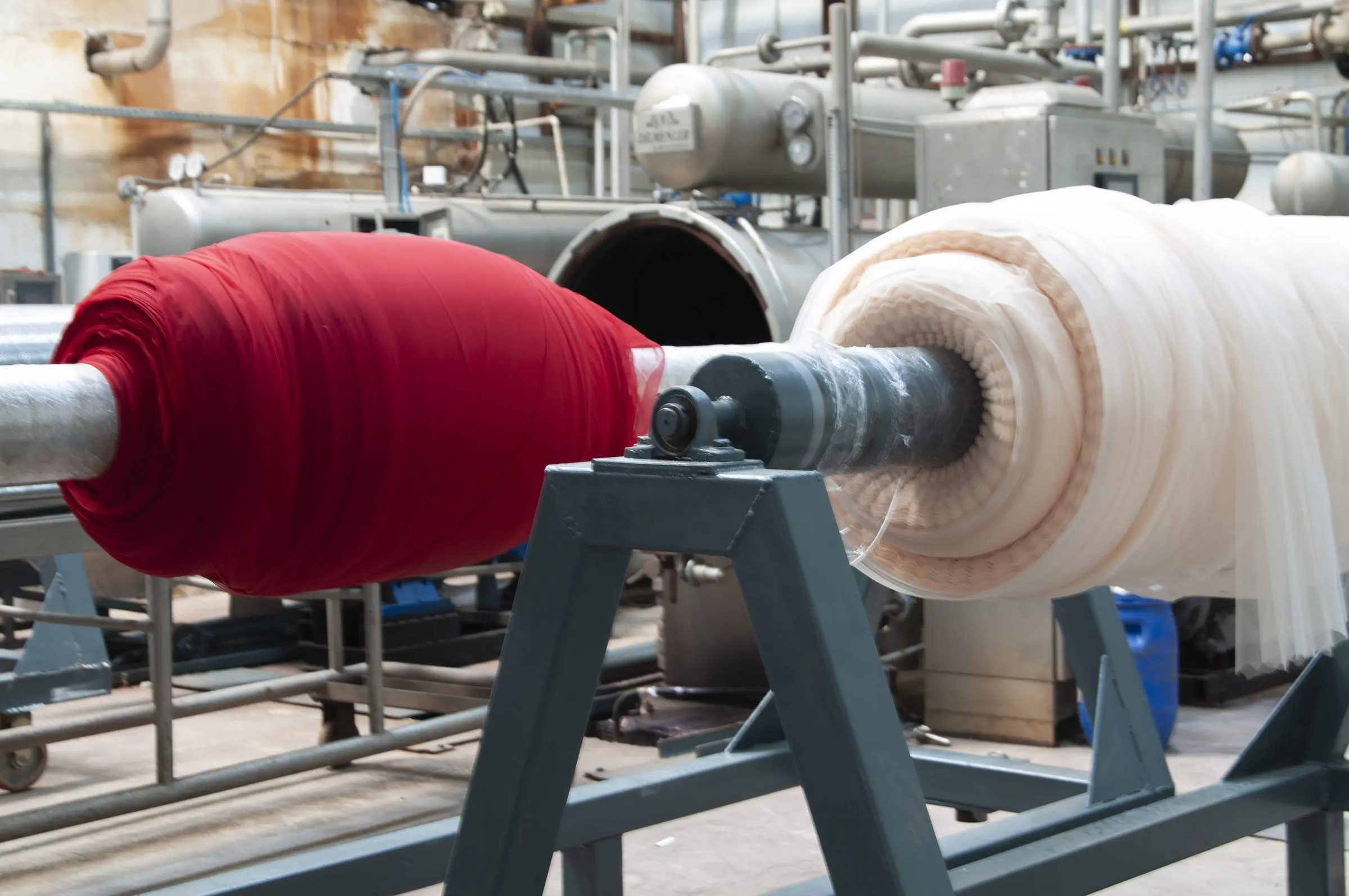
03 Finishing and dyeing
-
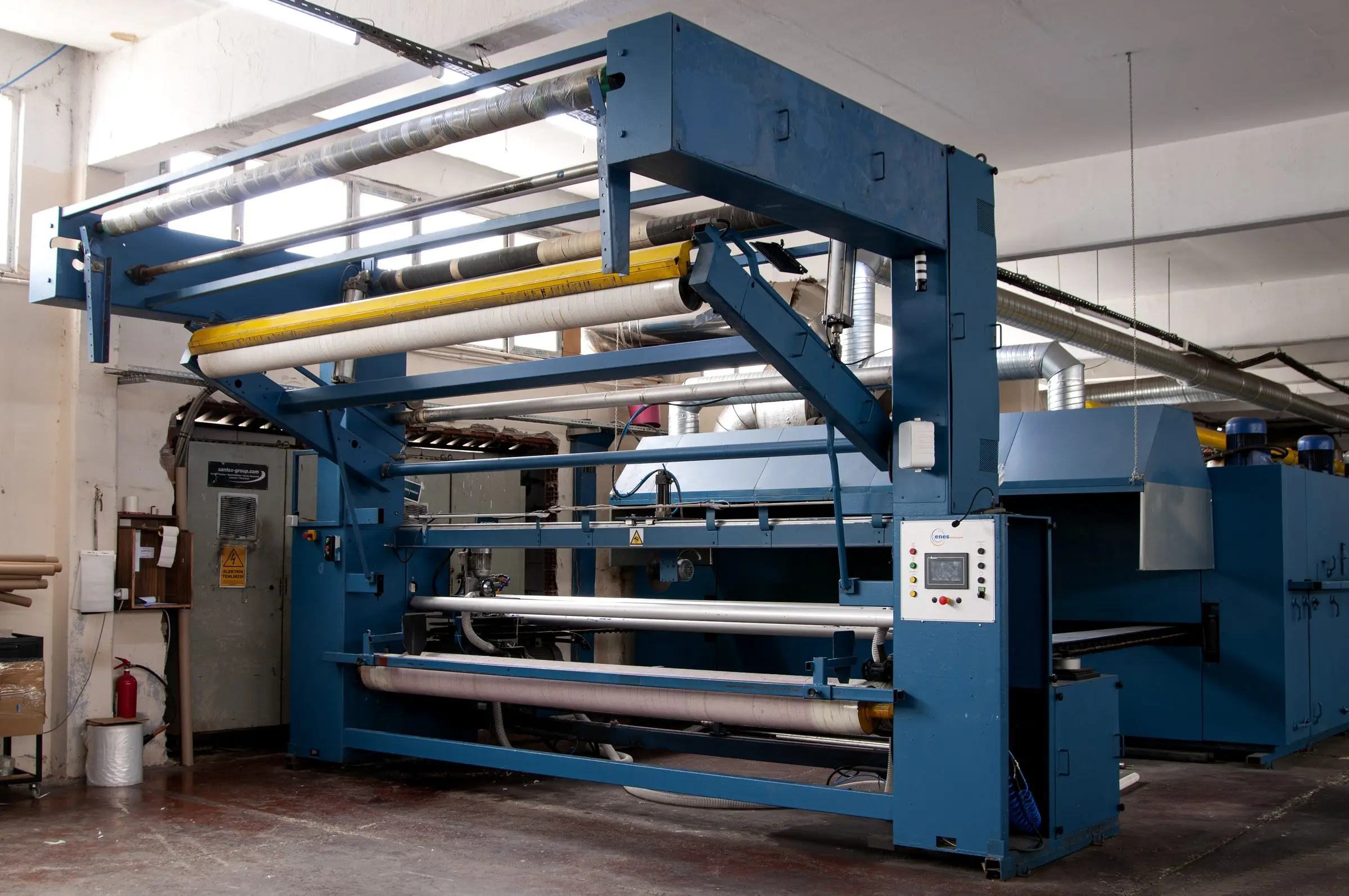
04 Stenter heat-setting
-
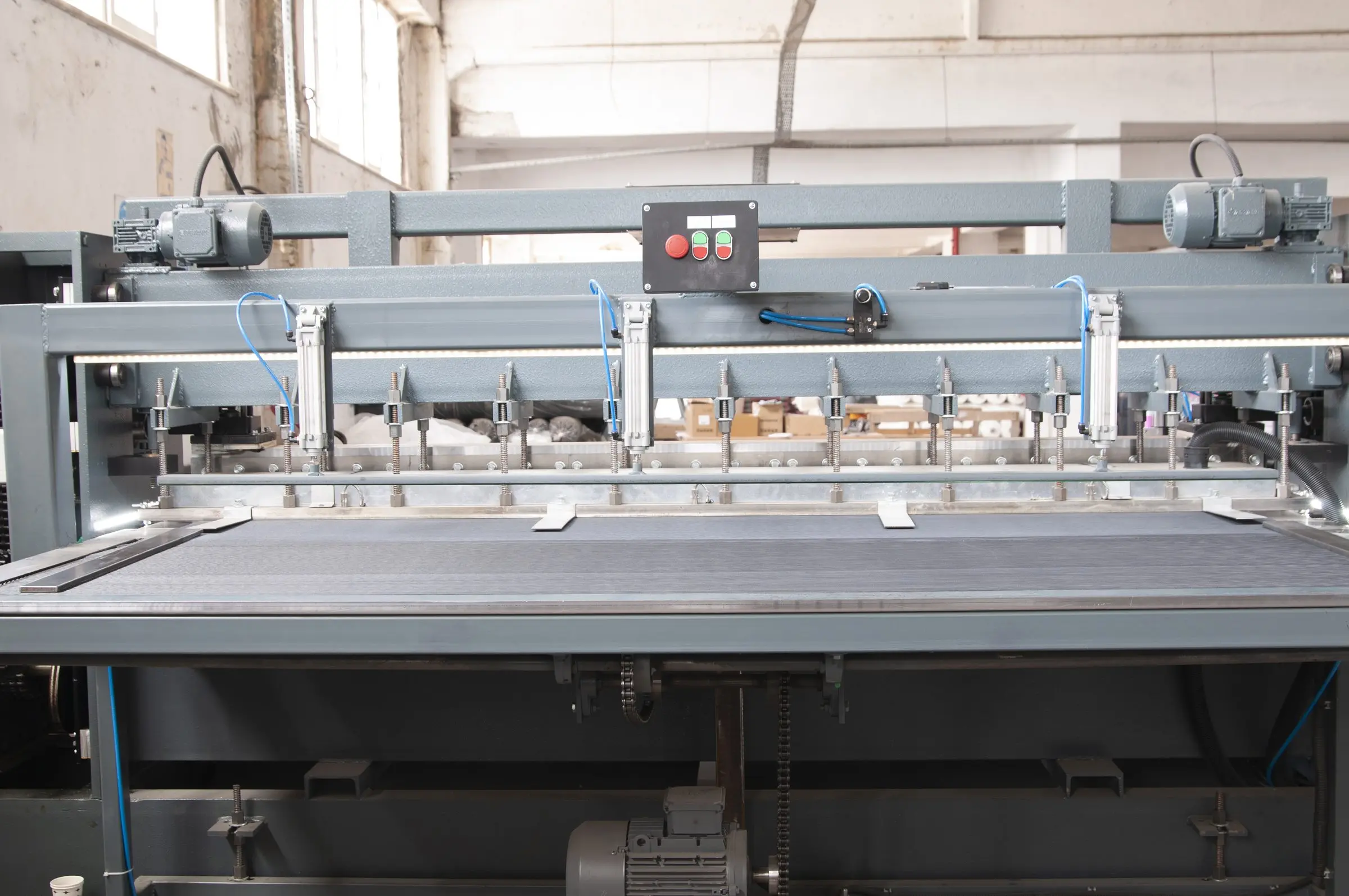
05 Pleating
-
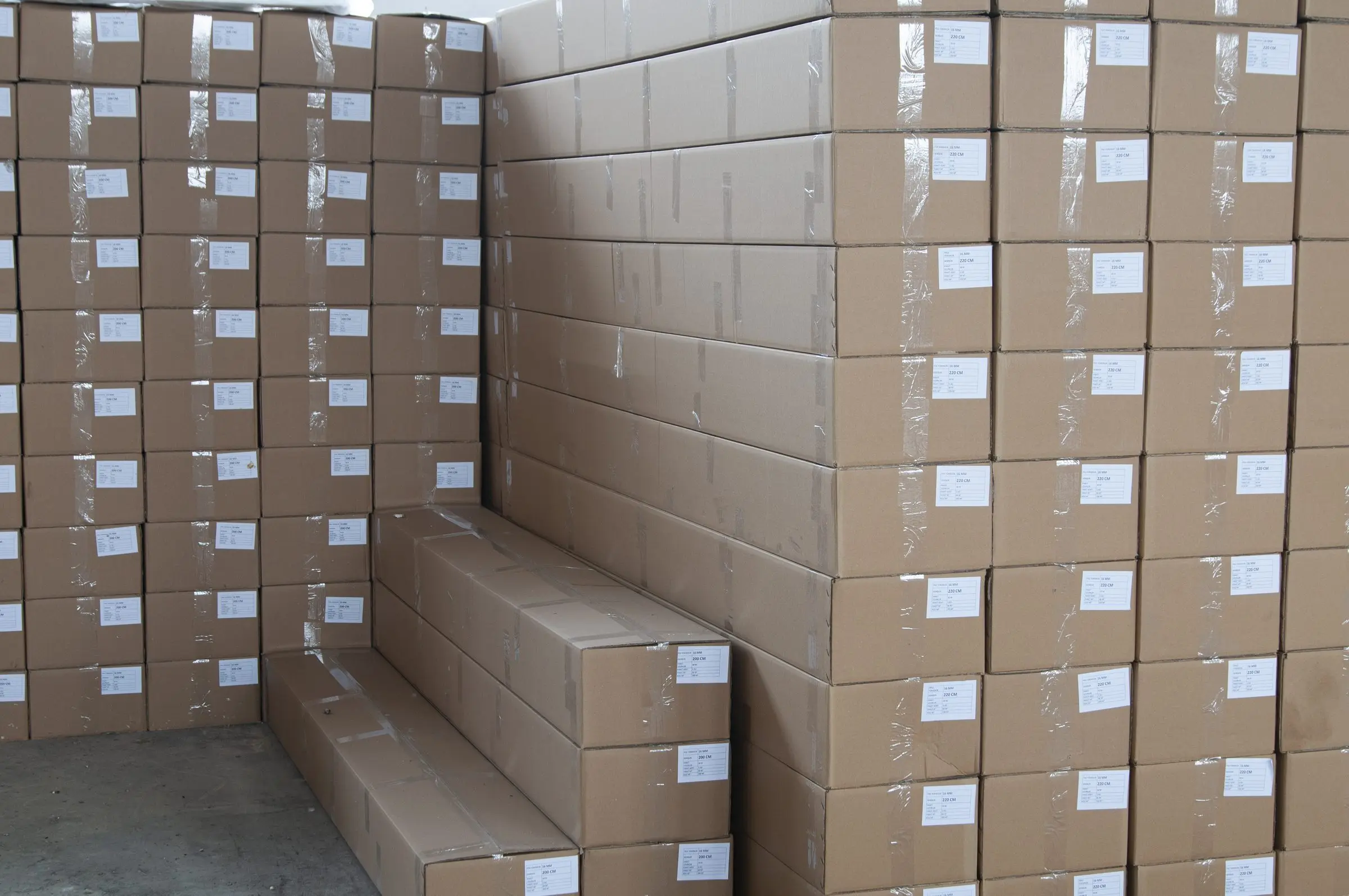
06 Packing and dispatch
 Pleated Insect Screen Mesh64–66 g/m² · 14–19 mm · 190–300 cm