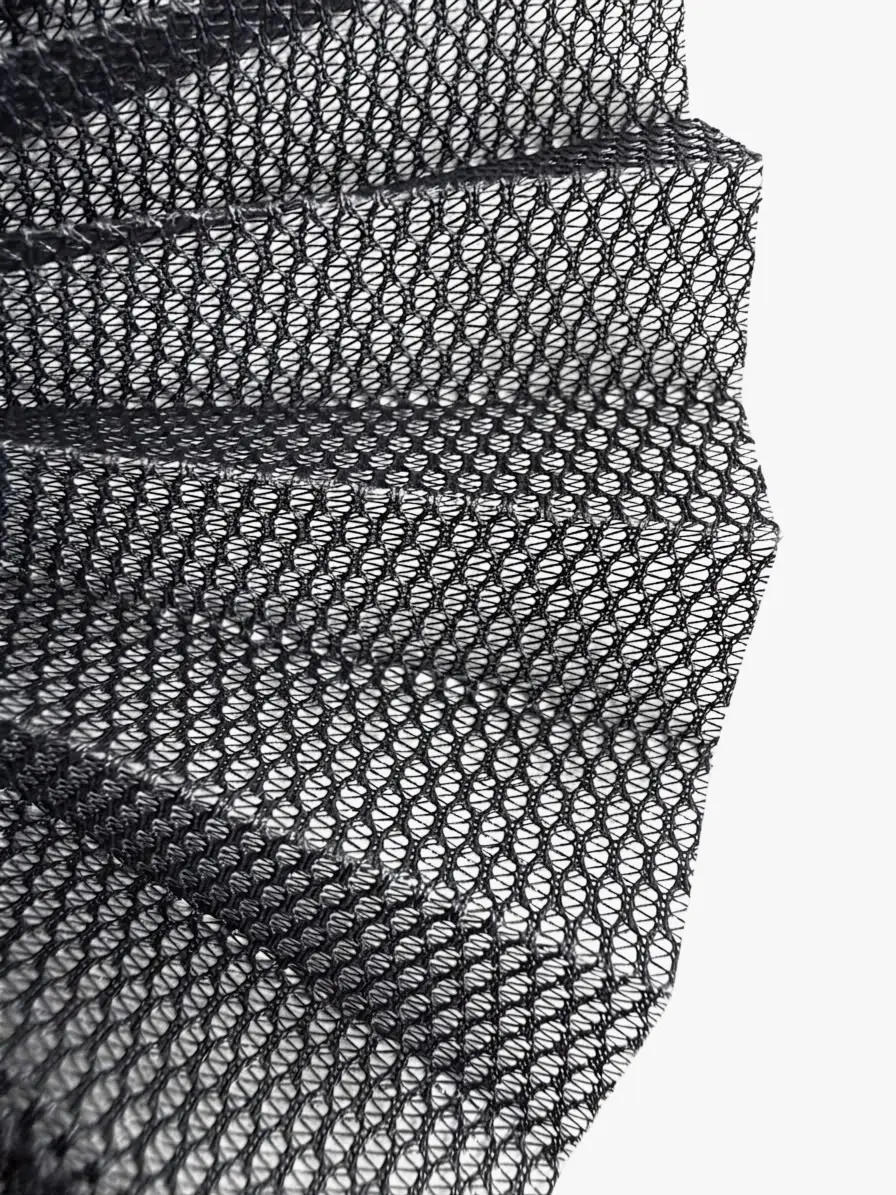
Pleated Insect Screen Mesh
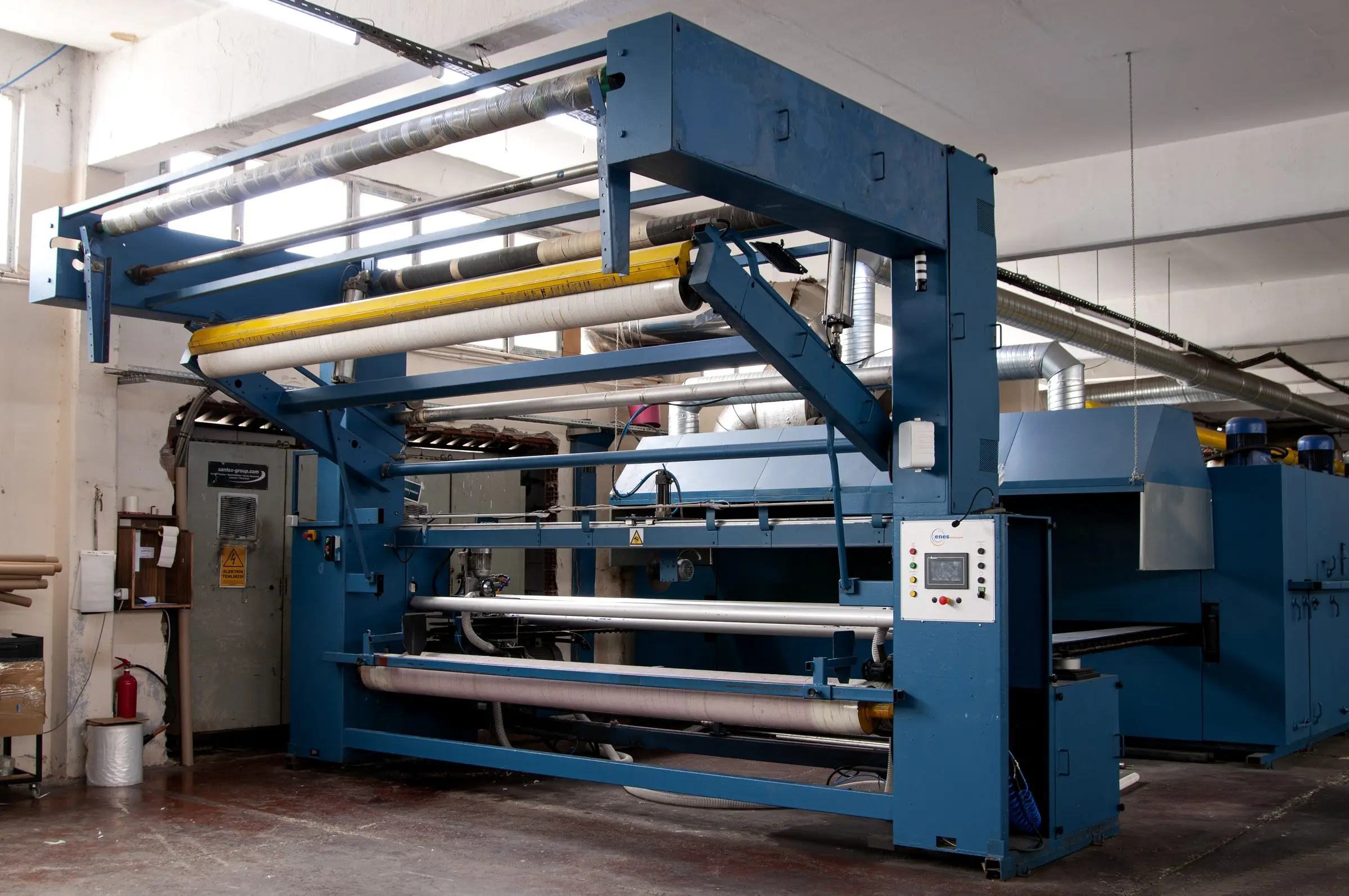
Plise Sineklik TülüWe make pleated insect screen mesh in-house, starting from yarn. The knitted greige mesh is finished, dyed and then heat-set on our stenter line under high temperature and controlled tension. This gives the pleat a memory: the mesh does not sag after installation and keeps its form in the sun.
The 64–66 g/m² mesh comes in 14, 15, 16 and 19 mm pleat depths and seven widths from 190 cm to 300 cm. Shipped in packs or full cases, cut to the size you order. Yield and shade are checked for every lot before dispatch.
Technical specifications
| Material | 100% polyester |
|---|---|
| Process | Knitting, finishing, dyeing, stenter heat-setting |
| Weight | 64–66 g/m² |
| Pleat depth | 14, 15, 16, 19 mm |
| Width | 190, 200, 210, 220, 240, 270, 300 cm |
| Packaging | Pack · full case |
| Colours | Black, anthracite, grey, white |
| Mesh count | On request |
| UV resistance | On request |
| Tensile strength | On request |
What is pleated insect screen mesh?
Pleated insect screen mesh is the fabric inside pleated (concertina) fly screen systems. It stays folded in the frame and opens when pulled, which makes it the standard choice for wide balcony doors, sliding doors and openings where a fixed screen will not fit.
We make it for screen manufacturers, installers and wholesalers rather than end users. The mesh largely decides how long the system lasts: when the pleat relaxes, the mesh sags, leaves the cord path and the screen no longer closes properly.
Why the pleat holds: stenter heat-setting
Polyester takes its shape from heat. After finishing and dyeing, our knitted mesh is heat-set on the stenter line under controlled temperature and tension, then pleated. Without proper heat-setting the pleat opens over time in summer sun and behind hot glass.
Because knitting, dyeing, heat-setting and pleating happen under one roof, we control the setting and shade of every lot ourselves.
Choosing pleat depth, width and colour
Pleat depth follows your profile system: we make 14, 15, 16 and 19 mm. Widths are 190, 200, 210, 220, 240, 270 and 300 cm; pick the nearest larger width to keep cutting waste low. Black and anthracite mesh is less visible and gives a clearer view; grey and white suit light-coloured frames.
Wholesale orders and samples
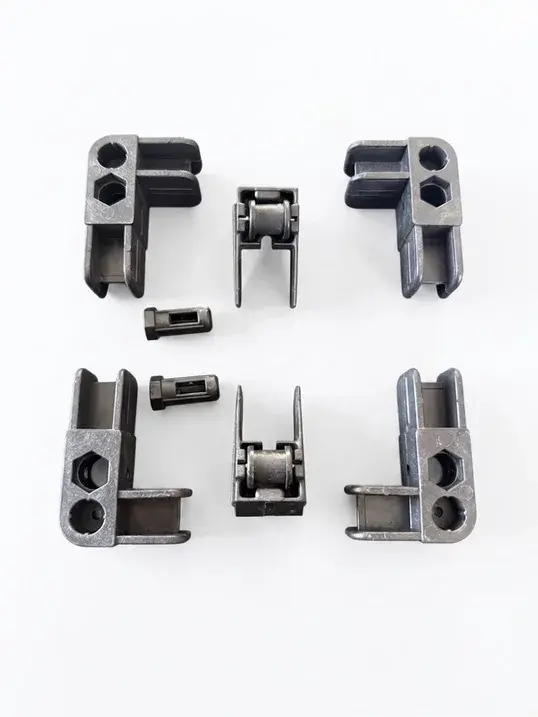
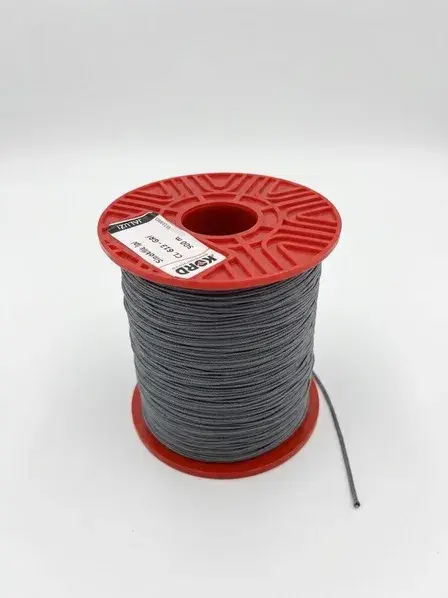
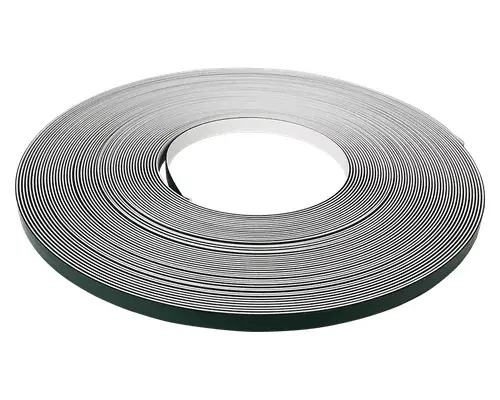
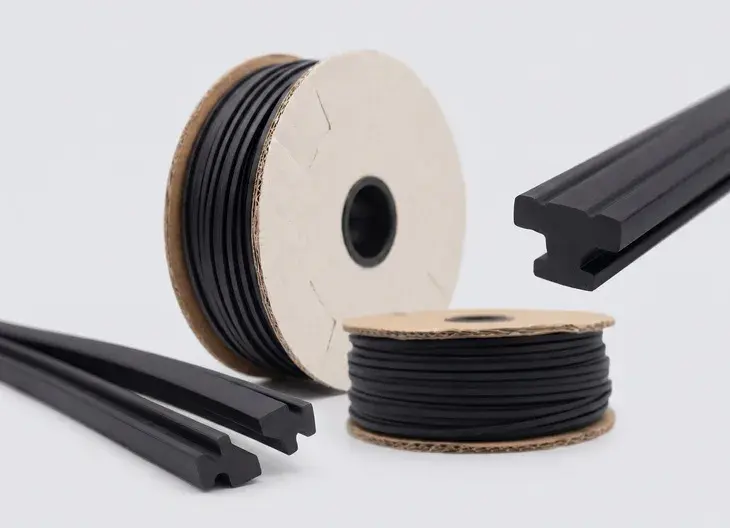
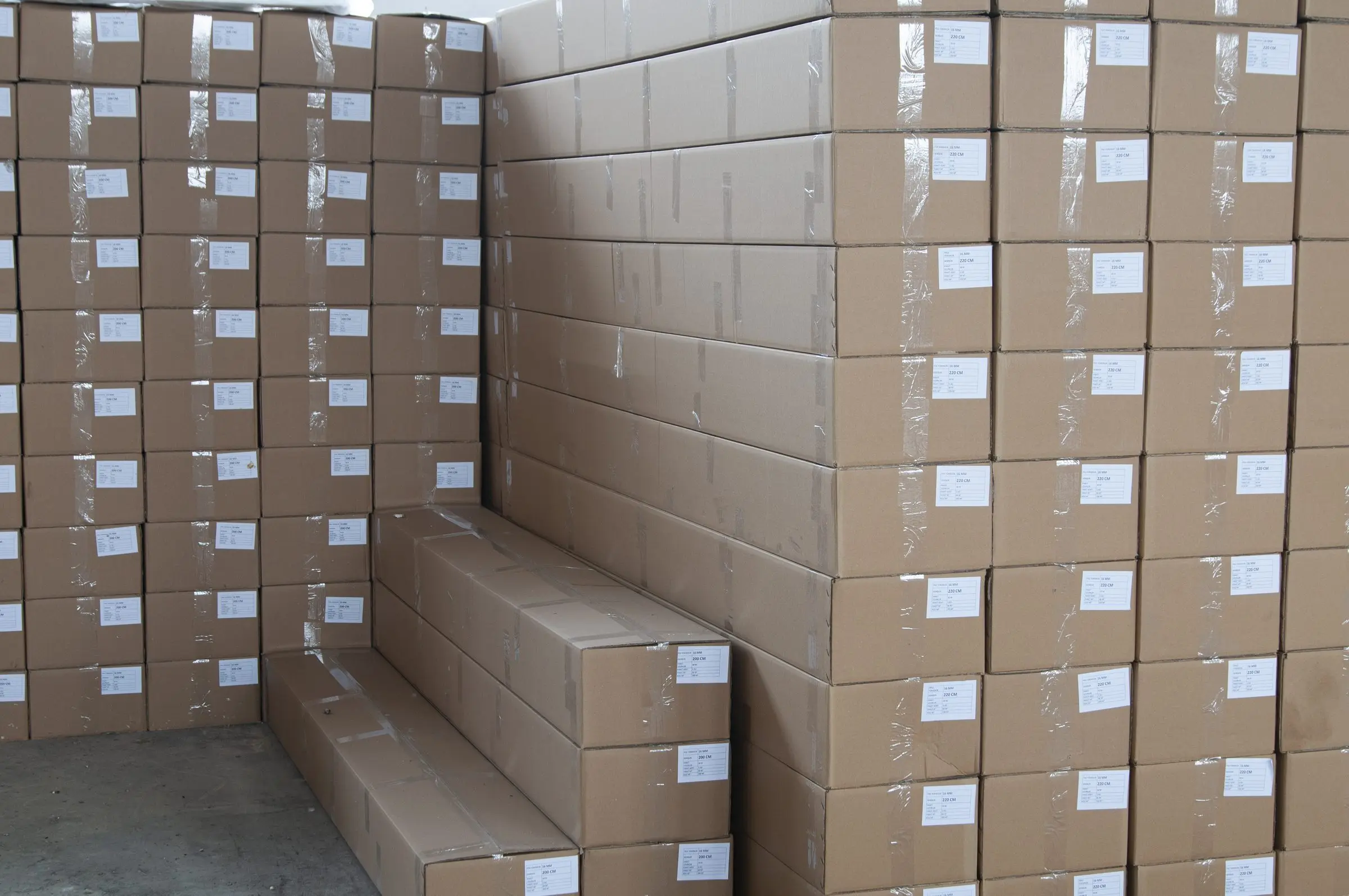
Orders are prepared in your pleat depth and width, in packs or full cases, and every lot is checked for yield and shade before dispatch. Corner kits, tension cord, heat-resistant strip and magnets can ship with your mesh. Samples are available before your first order.
Frequently asked questions
How is pleated mesh different from flat insect mesh?
Flat mesh is fixed taut in a frame. Pleated mesh is pleated to fold and unfold, and heat-set on a stenter line so the pleat stays; flat mesh cannot be used in pleated systems.
Which pleat depth do I need?
The one your profile system uses: 14, 15, 16 or 19 mm. If unsure, send us your profile supplier’s recommendation or the pleat size of your current mesh.
Will the pleat open over time?
Pleat retention depends on heat-setting. Our mesh is heat-set under controlled temperature and tension, so it does not sag after installation and keeps its form in the sun.
Can I get a sample?
Yes. Use the sample request on our quote page and choose the pleat depth and width.
From knitting to the case, under one roof.
-
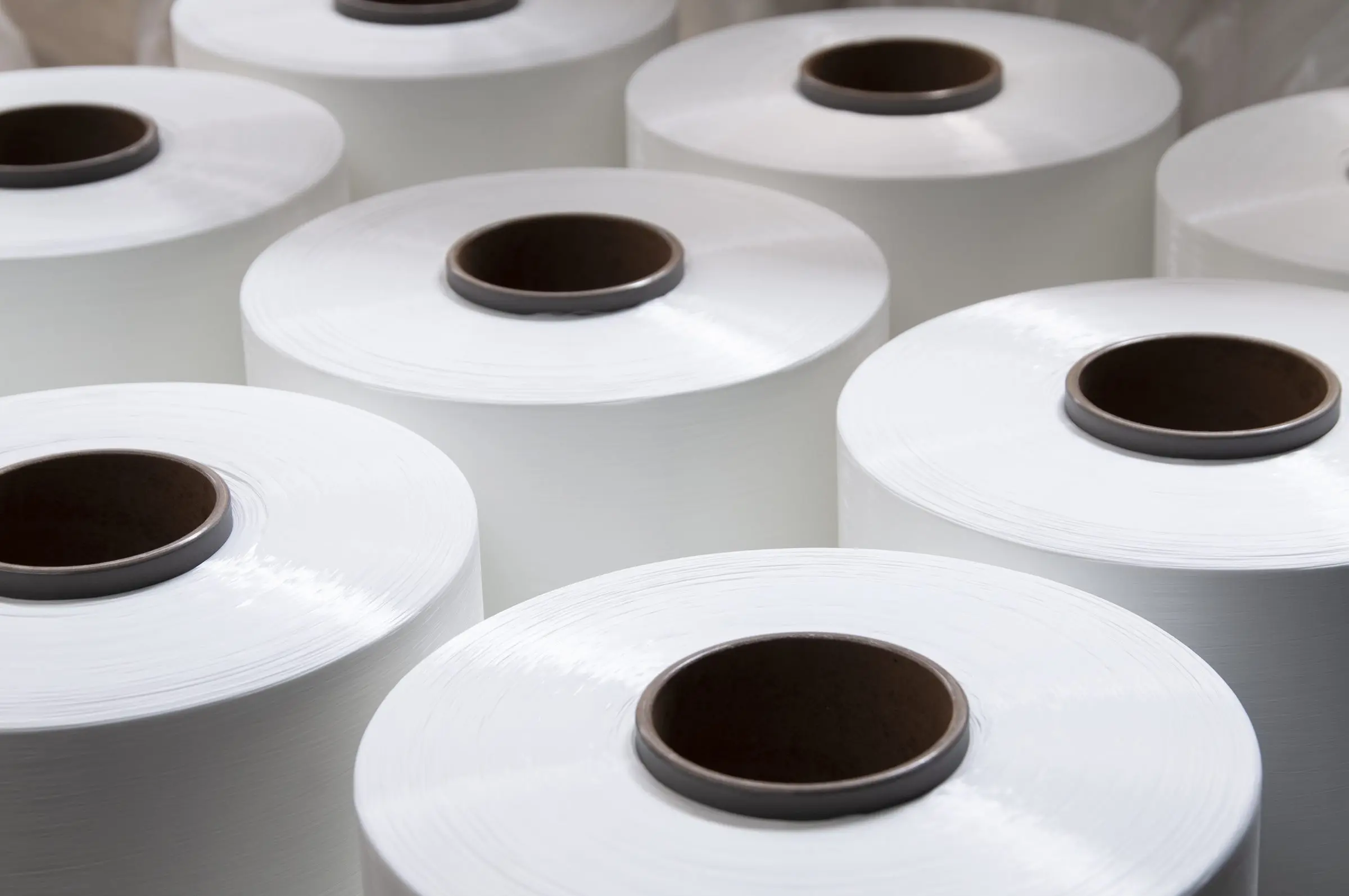
01 Yarn
-
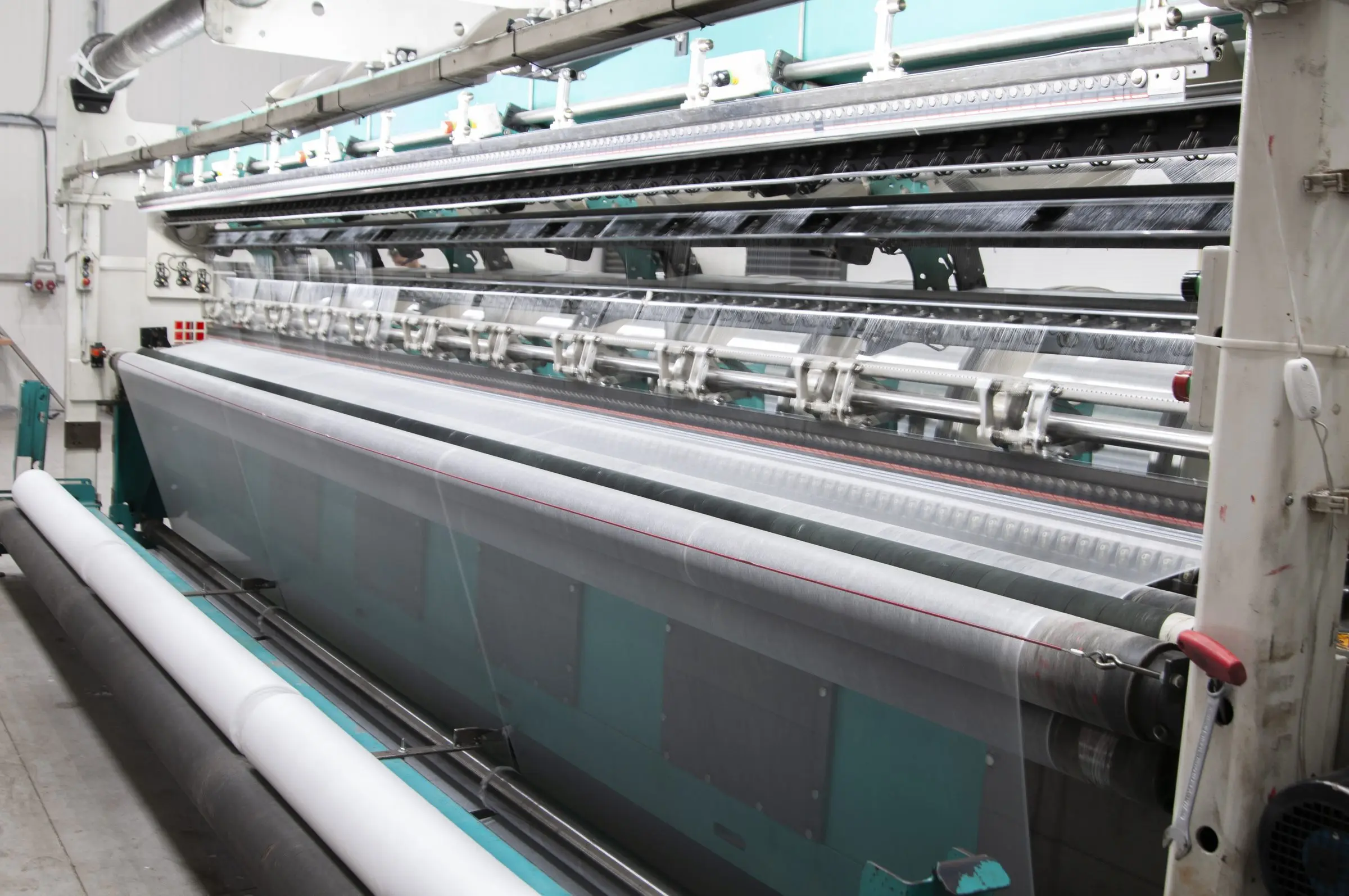
02 Knitting
-
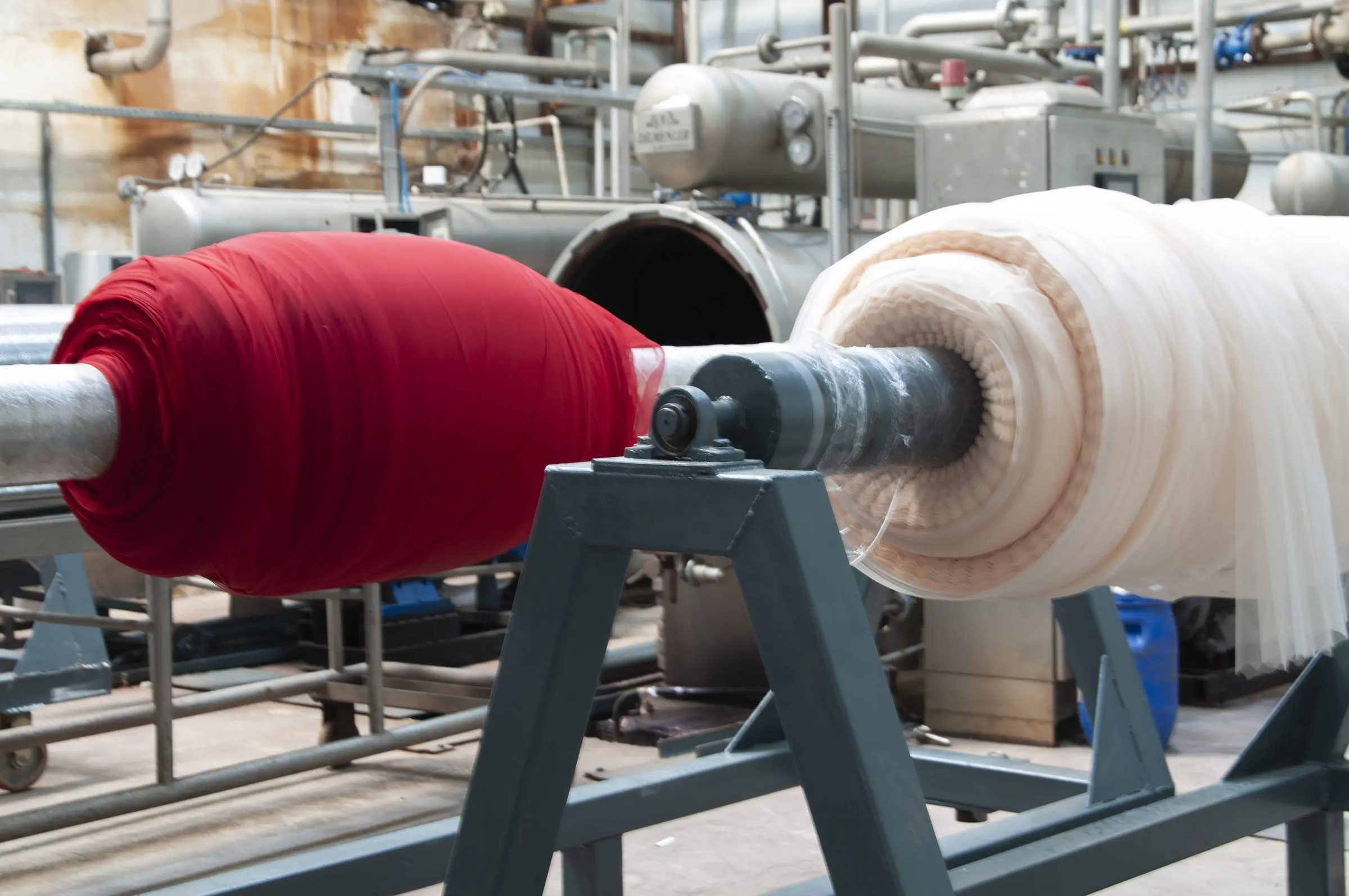
03 Finishing and dyeing
-
04 Stenter heat-setting
-
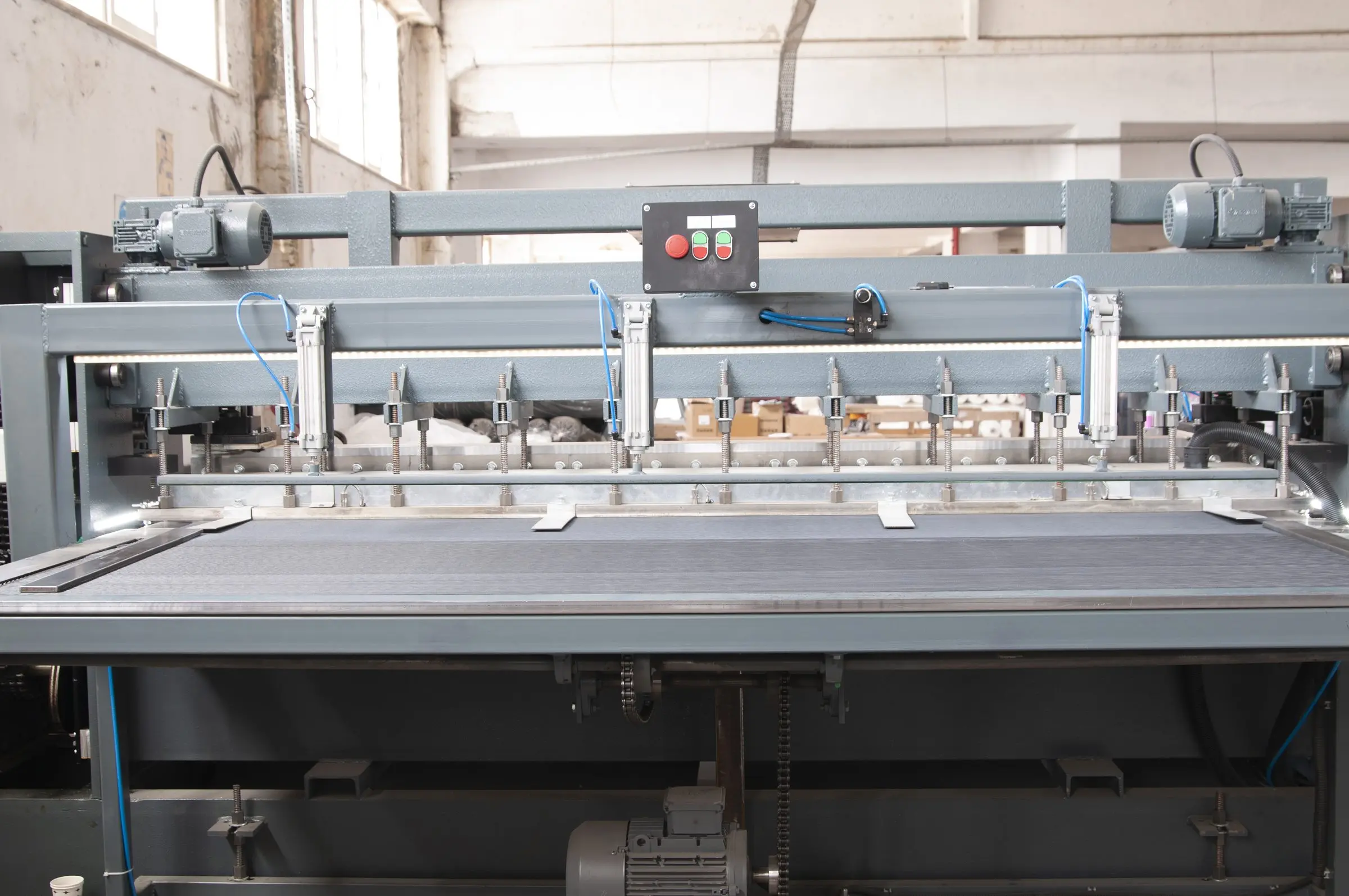
05 Pleating
-
06 Packing and dispatch
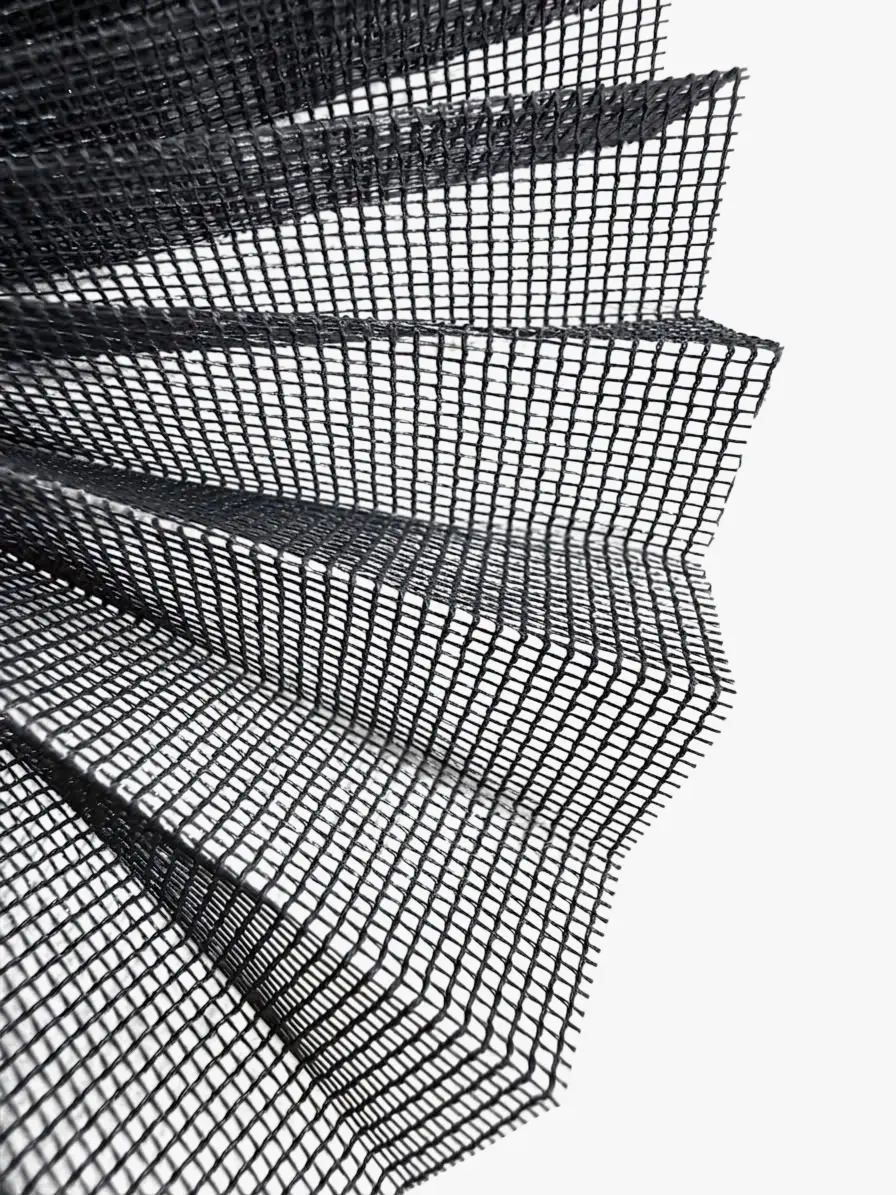 Pleated Pollen Screen Mesh90–95 g/m² · 14–19 mm · 200–300 cm